How to Find Studs in ICF Wall: A Simple Step-by-Step Guide
If you are learning how to find studs in ICF wall construction, the first thing to know is that an ICF wall is not built like a standard framed wall. ICF stands for insulated concrete forms. The forms hold reinforced concrete between layers of foam insulation. Instead of regular wood studs, the system uses internal plastic webs or ties to hold the forms together and provide fastening points.
That difference changes how you approach a shelf, cabinet, TV mount, handrail, or other wall fixture. In many ICF systems, the web locations follow a set pattern. This means you can often find the right fastening point by using the block layout, measuring from a known point, or checking the wall before the drywall goes on. A common lesson from ICF work is simple: do not treat the foam face as if it were a normal hollow wall.
What Is Inside an ICF Wall?
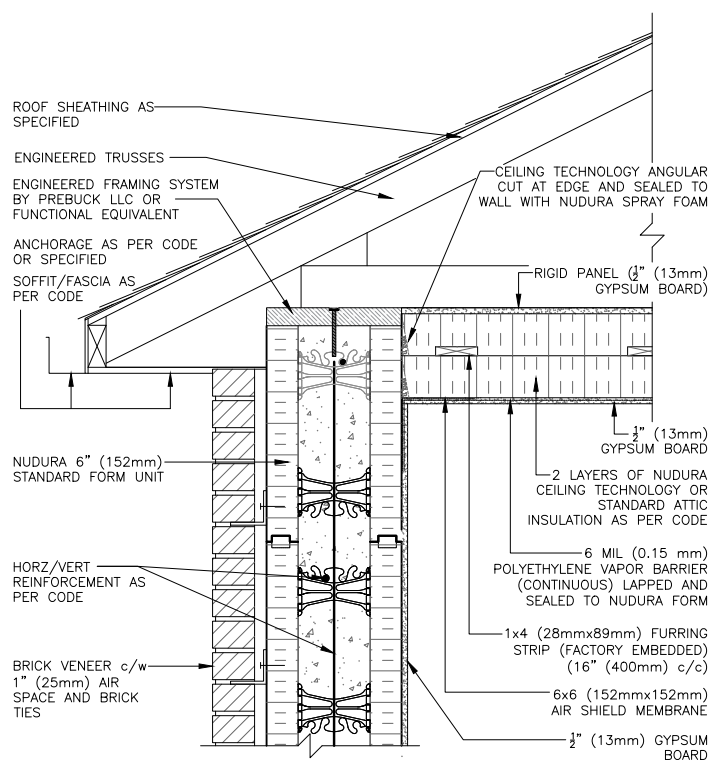
Before learning how to find studs in ICF wall systems, it helps to understand the wall itself. An ICF wall has foam panels on both sides of a reinforced concrete core. Plastic webs connect the foam panels and help hold the forms in place during the concrete pour.
These webs are important because they can act as fastening points. Their exact size and spacing depend on the ICF product. The concrete core also gives the wall great holding strength, but reaching the concrete usually calls for a different type of fastener than a simple screw into a plastic web.

- ✦ Foam panels
The foam gives the wall insulation, but it should not be treated as the main structural support for a heavy load.
- ✦ Plastic webs
The webs connect the foam sides and often provide planned fastening locations.
- ✦ Concrete core
The concrete forms the main structural part of the wall and can support heavy attachments when the right fastening method is used.
- ✦ Reinforcing steel
Rebar is placed inside the concrete. Its location matters when drilling, so avoid drilling blindly into an ICF wall.
ICF Studs Are Not Normal Studs
People often use the word studs because it is familiar. In an ICF wall, however, the useful target is often an internal web rather than a wood or steel stud. The web pattern can give you a reliable guide for fastening after the wall is covered.
- ✦ Think in web locations
Look for the known web pattern instead of expecting a traditional 16-inch-on-center stud layout.
How to Find Studs in ICF Wall Before the Wall Is Finished
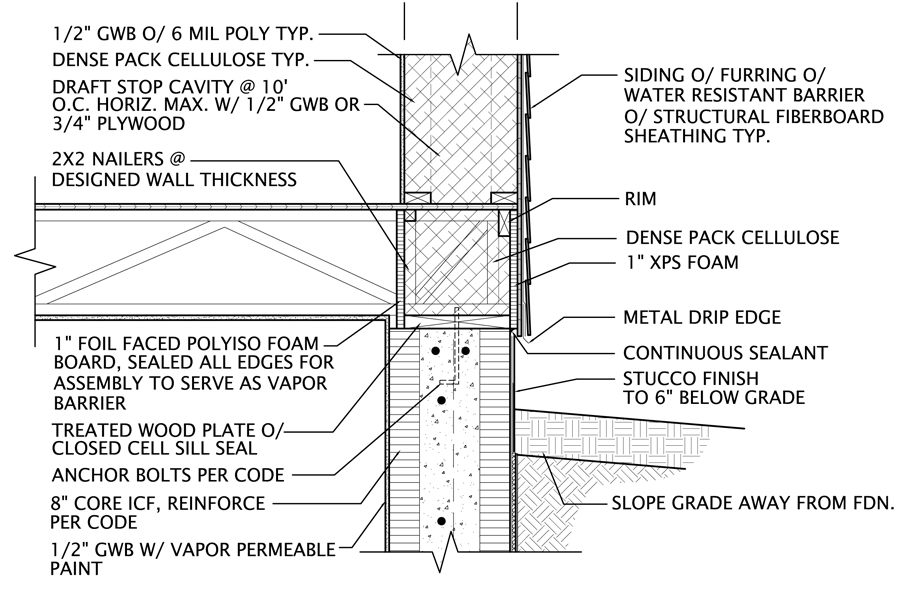
The easiest time to learn how to find studs in ICF wall construction is before drywall or another wall finish covers the forms. At this stage, you can see the plastic webs and measure their locations directly. Take clear photos and write down the web spacing before the finish work begins.
If you own an ICF home, old construction photos can be very useful. Builder plans, product manuals, and installation records may also show the exact ICF system and its web layout. Keep these records with your home documents because they can help with future projects.
- ✦ Look at exposed forms
Find the molded plastic webs that connect the two foam panels.
- ✦ Measure the pattern
Measure from a corner, opening, or other fixed point to the web locations.
- ✦ Take reference photos
Photographs can show where webs, openings, and other wall features sit before they disappear behind drywall.
- ✦ Record the ICF brand
The manufacturer and block model can help you confirm the web layout later.
Mark a Permanent Reference Point
Pick a fixed point that will remain easy to identify, such as a wall corner or door opening. Record the distance from that point to several web locations. This simple record can make future mounting work much easier.
- ✦ Use more than one measurement
Cross-check the web location from two known points when possible. This reduces errors caused by measuring from the wrong edge.
How to Find Studs in ICF Wall After Drywall Is Installed
Finding the fastening points becomes less direct once drywall covers the foam. Still, how to find studs in ICF wall systems is often a measurement problem rather than a standard stud-finder problem. Start with the known layout of the ICF blocks and the location of the wall edges.
If you know the exact ICF product, check its installation information for web spacing. Then measure from a reliable reference point and mark the likely web centers. A small test hole in an appropriate place can help confirm the location before you make a larger opening.

- ✦ Use the block layout
Find the ICF web spacing from the product information or construction records.
- ✦ Measure from a corner
Use a wall corner as a reference and transfer the known web pattern across the finished wall.
- ✦ Check both directions
Measure horizontally and vertically when the mounting point depends on a specific web intersection.
- ✦ Confirm before heavy mounting
Do not rely on one measurement alone when installing a heavy cabinet, rail, or other load.
Why a Normal Stud Finder May Not Help
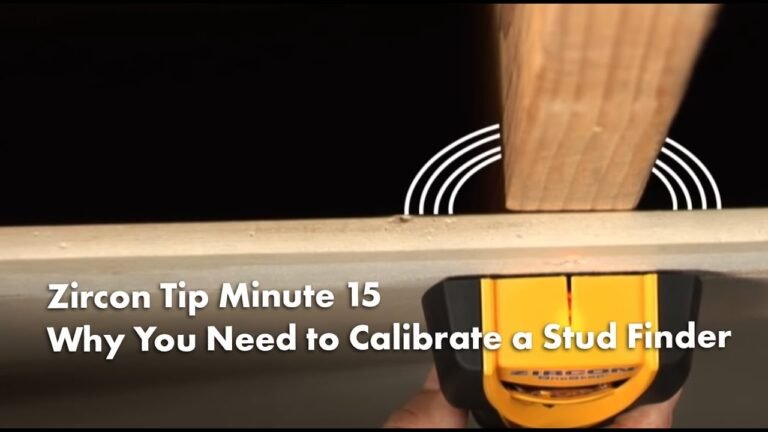
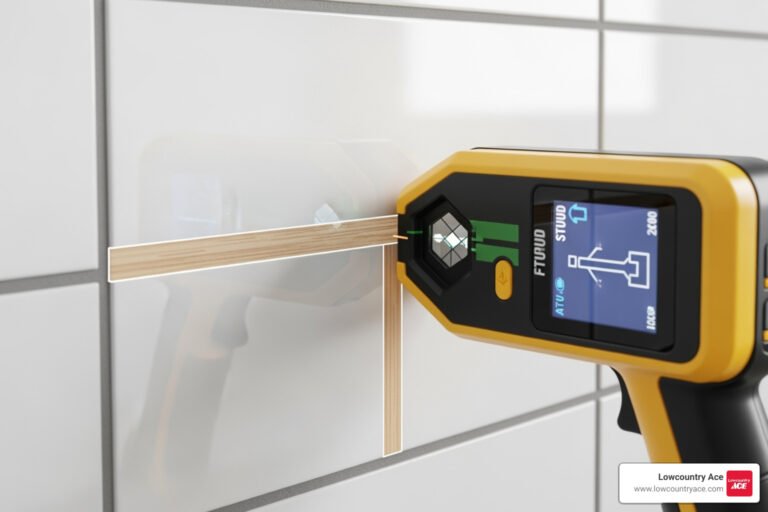
Many electronic stud finders are made for framed walls. An ICF wall contains foam, plastic, concrete, and reinforcing steel, so the tool may give confusing readings. Some models can detect changes in density or metal, but that does not always tell you where a specific plastic web sits.
- ✦ Treat readings as clues
A stud-finder signal should not be treated as proof of a web location unless you have confirmed the result.
Can a Magnet Find ICF Wall Studs?
A strong magnet can sometimes help when learning how to find studs in ICF wall systems, but it does not find the plastic web itself. Instead, a magnet may react to drywall screws or other steel parts that are attached near the web. This can provide a useful clue about the fastening pattern.
Move the magnet slowly across the wall and mark spots where it sticks or pulls strongly. If the pattern repeats at regular intervals, compare it with the known ICF web layout. Do not assume every magnetic point marks an ICF web, because metal may come from other parts of the wall.
- ✦ Use a strong magnet
A stronger magnet is more useful for detecting steel drywall screws through a finished wall.
- ✦ Move slowly
Slow movement makes small changes in magnetic pull easier to notice.
- ✦ Mark each clue
Use removable tape or a pencil to map the points before deciding where to drill.
- ✦ Confirm the pattern
Compare magnetic findings with measurements or construction records rather than relying on the magnet alone.
Why Magnetic Detection Has Limits
A magnet cannot see through the wall and identify a plastic web. It only reacts to magnetic materials. For that reason, magnetic detection works best as a supporting method, not as the only way to locate a fastening point.
- ✦ Best use
Use a magnet to locate possible metal screw lines, then verify those lines against the known ICF layout.
How ICF Web Spacing Helps You Find Fastening Points
The key to how to find studs in ICF wall construction is understanding that the web layout is planned. Many ICF products use regular web spacing, but the exact pattern differs by manufacturer and product. Never assume one brand has the same spacing as another.
Once you know the spacing, you can create a simple wall map. Start at a known corner or opening, measure to the target area, and use the manufacturer’s dimensions to estimate the web location. This method is especially helpful when a wall has no visible clues.

- ✦ Find the exact product
Identify the ICF block or panel system used in the wall.
- ✦ Check manufacturer data
Use the product’s installation guide or technical information for the web layout.
- ✦ Map the wall
Transfer the web pattern from a known reference point to the area where you plan to mount an item.
- ✦ Watch for openings
Doors, windows, corners, and other details can change how the web pattern lines up in a specific area.
Corners and Openings Need Extra Care
An ICF wall may have special reinforcement and web arrangements near corners, doors, and windows. These areas can differ from a simple run of wall. When mounting close to an opening, use the construction plan or product details if available.
- ✦ Do not extend a pattern blindly
Confirm the layout around corners and openings instead of assuming the same spacing continues without change.
How to Attach Things to an ICF Wall
Finding a fastening point is only half the job. The correct fastener depends on the load, the wall finish, the location of the web, and whether the fastener must enter the concrete core. A small picture frame needs a very different attachment method from a large cabinet or wall-mounted TV.
For light items, an appropriate screw into a confirmed ICF web may work when the product allows it. For heavier loads, installers may use fasteners designed for concrete or a planned attachment system. Follow the ICF manufacturer’s guidance and the fastener manufacturer’s load limits.
- ✦ Light loads
Small decor and other light items may be attached to a confirmed web with a suitable screw and the correct installation method.
- ✦ Medium loads
Shelves and similar items need a fastening plan that accounts for the item’s weight and how far it projects from the wall.
- ✦ Heavy loads
Cabinets, large TVs, handrails, and similar items may require fastening into the concrete or a designed reinforcement point.
- ✦ Follow product instructions
The ICF manufacturer and fastener manufacturer provide the safest basis for choosing an attachment method.
Do Not Rely on Foam for Heavy Loads
Foam is insulation, not a substitute for a structural anchor. It can hold some light attachment hardware when the system allows it, but heavy loads need a stronger connection. The heavier the item, the more important the load path becomes.
- ✦ Consider leverage
A shelf or cabinet can place more force on a fastener than its simple weight suggests because the load sits away from the wall.
How to Drill Into an ICF Wall Safely
If your plan calls for drilling, take extra care. An ICF wall can contain reinforcing steel, electrical wiring, plumbing, and other building components. A web location tells you where one fastening element may be, but it does not tell you that the entire path is clear.
For a small mounting job, make only the opening needed for the selected fastener. For deeper drilling into the concrete core, use the appropriate tool and anchor system. If you do not know where utilities or reinforcing steel are located, stop and get professional guidance before drilling.

- ✦ Check for utilities
Look for construction records and use suitable detection methods before drilling into a finished wall.
- ✦ Know the fastener depth
Use only the depth needed for the selected fastening system.
- ✦ Avoid blind deep drilling
Do not drill deeply simply to search for a structural point.
- ✦ Get help for critical work
A professional should handle uncertain or high-load installations where hidden reinforcement or utilities may be an issue.
When to Stop and Call a Professional
A professional is a good choice when you need to mount a very heavy object, drill deeply into the concrete, or work near electrical and plumbing routes. This is also true when the wall’s construction records are missing and the web pattern cannot be confirmed.
- ✦ High-risk mounting
Get qualified help when failure could cause injury or major property damage.
Common Mistakes When Finding ICF Wall Studs
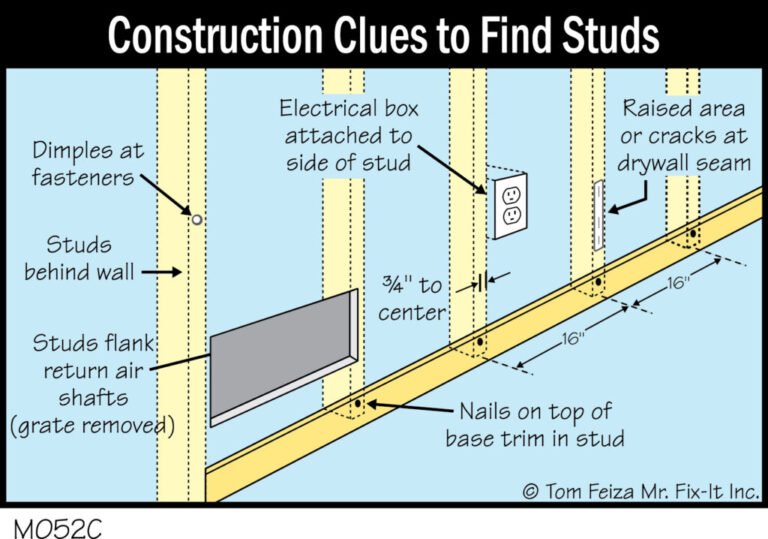
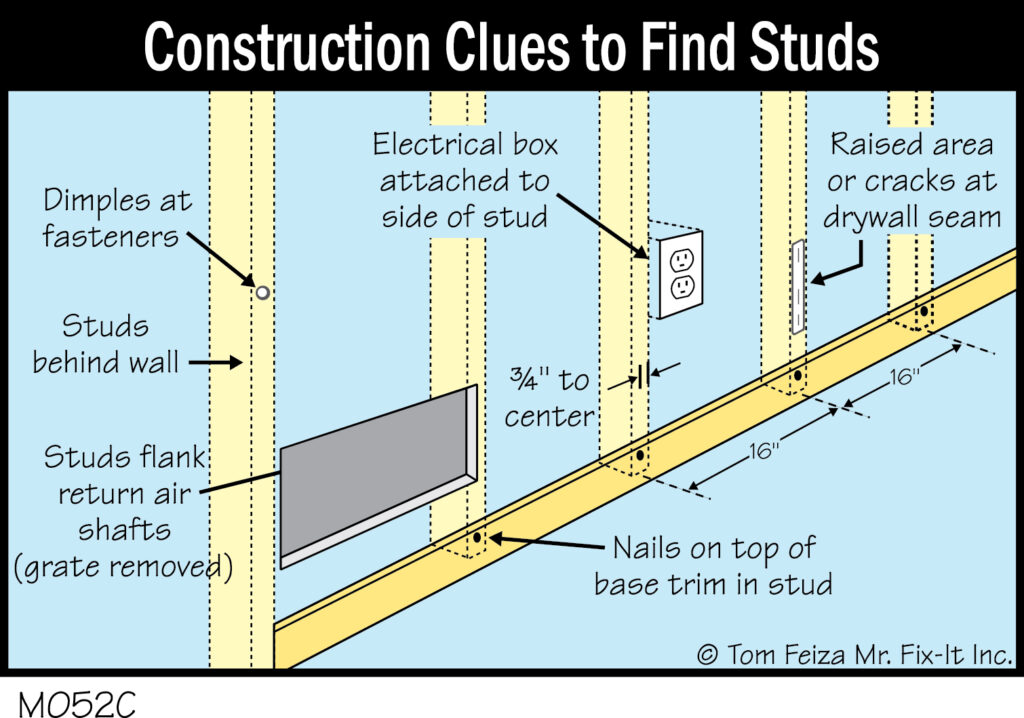
The biggest mistake is treating an ICF wall like a normal drywall partition. A standard stud finder may not locate the fastening point you need, and the familiar 16-inch stud rule may not apply. The safer approach is to identify the ICF system and work from its actual web layout.
Another common mistake is choosing a fastener before checking the load. A screw that works for a small picture may not be suitable for a cabinet or large TV. Think about the item’s weight, the mounting hardware, the direction of the load, and the strength of the connection.
- ✦ Assuming 16-inch spacing
Do not assume ICF webs follow the same spacing as standard wood framing.
- ✦ Trusting one tool
A magnet or electronic finder can provide clues, but neither should replace knowledge of the ICF layout.
- ✦ Drilling too far
Deep drilling can create an unnecessary risk of hitting reinforcement or hidden utilities.
- ✦ Using the wrong anchor
Choose the fastener for the wall material and the actual load rather than using a general-purpose screw.
- ✦ Skipping a test
Confirm an uncertain location before making a large hole or installing an expensive fixture.
A Simple Verification Process
If the location matters, use more than one clue. Compare your measurements with the ICF product layout, look for a repeating pattern, and check any available construction photos. This layered approach is much more reliable than guessing from one signal.
- ✦ Measure, map, verify
Use these three steps before committing to a heavy or permanent wall attachment.
A Practical Step-by-Step Method
For most homeowners, the best answer to how to find studs in ICF wall construction is a simple process. First identify the ICF product. Next find the web spacing. Then choose a fixed reference point and map the likely web positions on the finished wall.
After that, check your markings with any available construction photos or a suitable detection method. For a heavy installation, confirm the fastening plan before drilling. This approach takes a little more care than finding a wood stud, but it avoids much of the guesswork.
- ✦ Step 1: Identify the ICF system
Find the manufacturer, product name, or construction records if possible.
- ✦ Step 2: Find the web layout
Use the manufacturer’s information to learn the web spacing and position.
- ✦ Step 3: Choose a reference
Measure from a corner, opening, or another fixed feature.
- ✦ Step 4: Mark likely locations
Transfer the web pattern to the finished wall with light, removable marks.
- ✦ Step 5: Cross-check
Compare the marks with construction photos, plans, magnetic clues, or another suitable method.
- ✦ Step 6: Select the right fastener
Match the fastener to the web, concrete, wall finish, and expected load.
- ✦ Step 7: Install with care
Drill only as needed and watch for hidden utilities and reinforcement.
The Best Method for Your Project Depends on the Load
A light wall decoration does not need the same process as a large cabinet. For a light item, locating a web may be enough if the ICF system permits that type of attachment. For a heavy or safety-related item, use a fastening plan based on the wall structure and the manufacturer’s instructions.
- ✦ Light item
Focus on finding a confirmed web and using suitable hardware.
- ✦ Heavy item
Plan the connection to the structural concrete or another approved reinforcement point.