How to Find Studs Behind Fiberglass Shower: A Safe Step-by-Step Guide
Learn how to find studs behind a fiberglass shower using simple tools, layout clues, magnets, and careful checks before drilling.

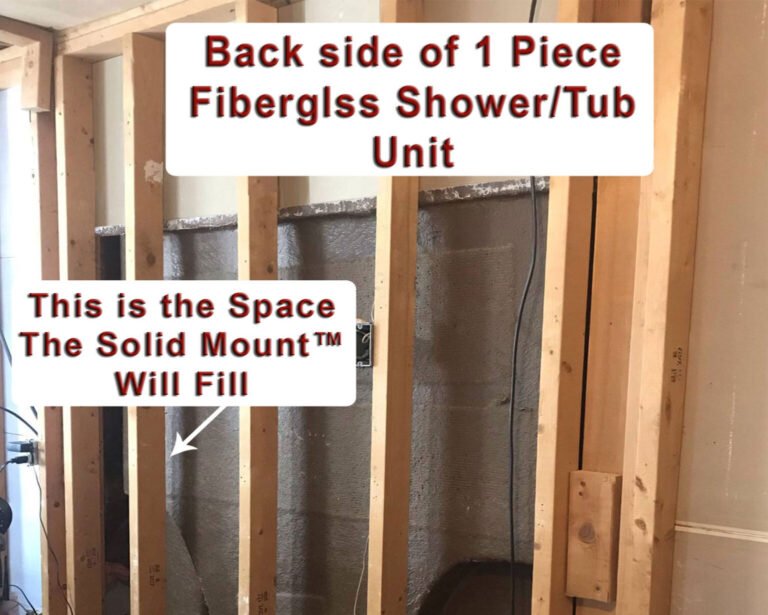
Learn how to find studs behind a fiberglass shower using simple tools, layout clues, magnets, and careful checks before drilling.
You can find studs behind a brick wall, but the method depends on whether the brick is a thin veneer over wood framing or a structural masonry wall with no conventional studs. In most cases, the reliable approach is to identify the wall construction first, then combine measurements, visible clues, and a carefully chosen test…
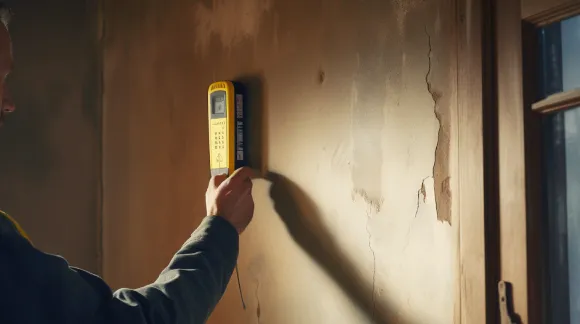
Learn how to find studs behind cement board using a stud finder, screws, magnets, measurements, and careful tapping without damaging the wall.
You can usually find studs around windows by locating the window’s side jambs, measuring outward in standard framing increments, and confirming the result with a stud finder, magnet, or small test hole. The strongest evidence is a solid wood or metal reading that continues vertically above or below the window rather than a single isolated…
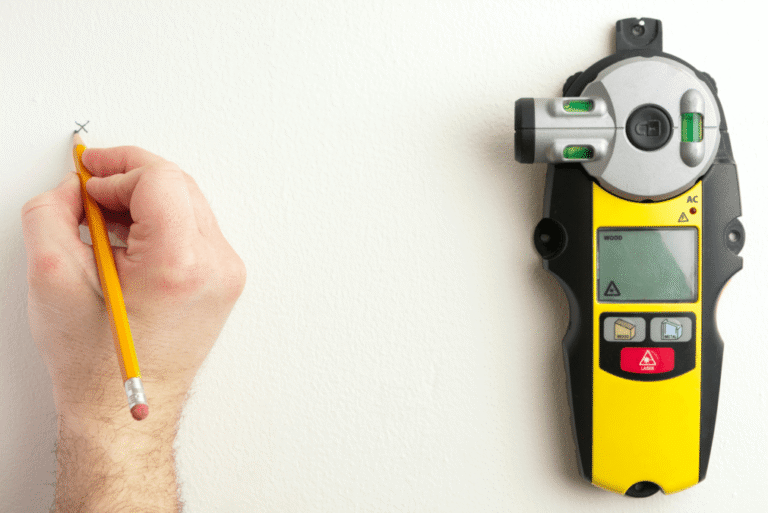
Learn how does the stud finder work, how electronic and magnetic models detect studs, how to use one, and how to avoid common errors.
You can find studs above a fireplace by combining a stud finder with measurements from nearby walls, outlets, trim, or visible framing. Confirm each suspected location with a small test hole or finish-safe probing method before drilling for a mount, shelf, or mantel. The area above a fireplace deserves extra caution because the wall may…
Roof studs are usually called rafters or trusses, and the most reliable way to locate them is to measure from a known structural point or inspect the framing from the attic. A stud finder may help through a finished ceiling, but it can mistake drywall fasteners, wiring, pipes, or furring strips for structural framing. The…
To find horizontal studs in a wall, scan for changes in density with a stud finder, look for framing clues around doors and outlets, and confirm the suspected location with a tiny test hole or non-damaging probe. Horizontal framing members are often called blocking, nogging, plates, headers, or fire blocking, so they may not appear…
Most Zircon stud finders use a replaceable battery, but the battery type and compartment design depend on the model. Turn the tool off, open the battery door on the back or handle, remove the old battery, match the new battery to the polarity markings, and close the compartment securely before testing it. That process sounds…
Most electronic stud finders detect ordinary wood framing through about 3/4 inch of drywall, while deep-scan or multi-mode models may reach roughly 1 1/2 inches under favorable conditions. Specialized scanners that detect metal or use radar can sometimes sense objects several inches deep, but their results depend heavily on the wall, target, and tool. The…