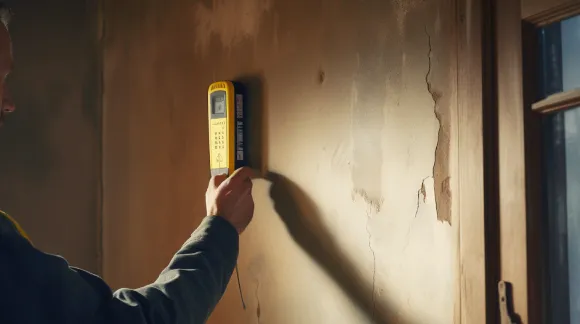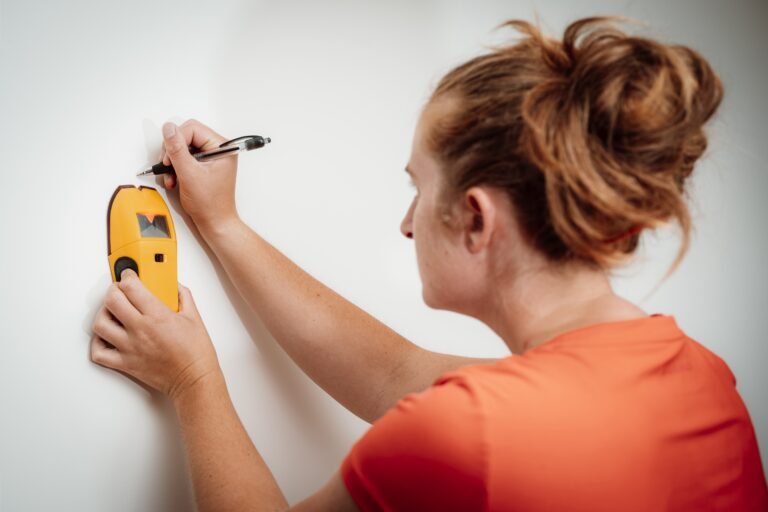
How to Find Studs Behind Vinyl Siding: A Simple Step-by-Step Guide
If you need to hang a light, mount a fixture, or attach something heavy to an exterior wall, you need a solid point behind the vinyl siding. The challenge is that the siding hides the wall framing. You cannot simply look at the outside wall and know where each stud sits.
Learning how to find studs behind vinyl siding does not usually mean taking the siding off. In most cases, you can narrow down the location from visible siding clues, measure from a known point, and then confirm the spot with a simple tool. The goal is to make as few holes as possible while keeping the siding intact.
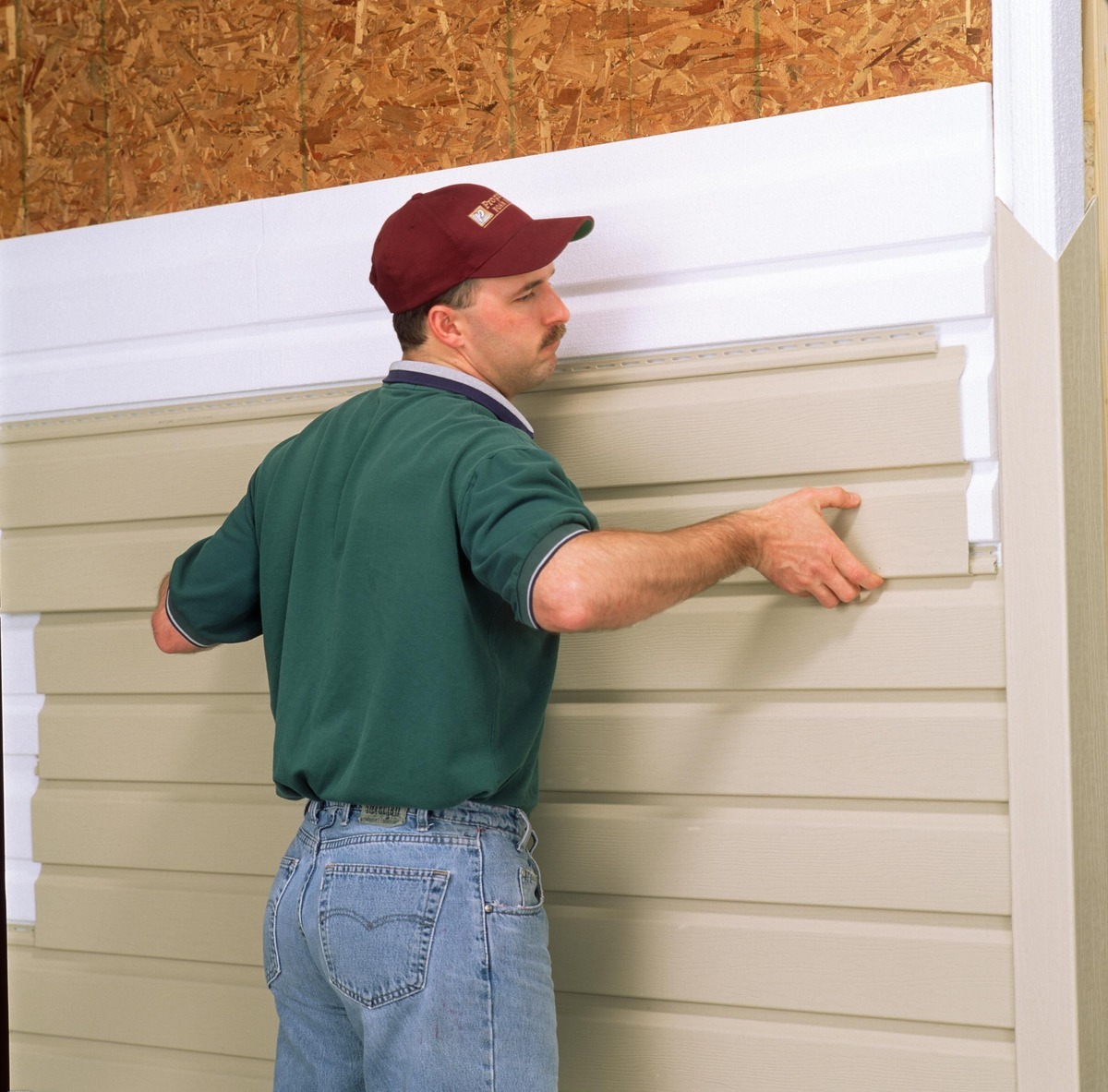
Why You Need to Find the Stud Behind Vinyl Siding
Vinyl siding is a weather layer, not a structural wall. It covers the sheathing and framing beneath it. If you attach a heavy object only to the siding, the fastener may not have enough support.
A wall stud gives a screw or lag fastener a much stronger hold. This matters for items such as exterior lights, hose reels, signs, small shelves, brackets, and other wall-mounted hardware. The right mounting method also helps prevent damage to the siding.
Before you start, think about the load. A small, light item may work with a fastener made for the siding and wall material. A heavy item needs a proper connection to framing or another suitable structural support.
- ✦ Structural support
Studs are part of the wall frame and can provide a solid place for a suitable fastener.
- ✦ Less siding damage
Finding the right spot helps you avoid making extra holes while searching for framing.
- ✦ Safer mounting
A known framing location makes it easier to choose the right fastener and mounting method for the load.
Understand What Is Behind Vinyl Siding
Before learning how to find studs behind vinyl siding, it helps to know what you are trying to locate. A typical exterior wall may have vinyl siding over a weather-resistant layer, wall sheathing, and wood or metal framing. The exact wall build-up varies by home.
Vinyl siding also has a special feature that can make mounting tricky. The panels need room to expand and contract as outdoor temperatures change. A fastener that clamps a panel tightly against the wall can restrict that movement and may lead to distortion.
You should also remember that a stud is not always the same distance from the visible edge of a siding panel. Siding is installed over the wall surface, and its seams and courses do not necessarily mark every framing member.

- ✦ Vinyl siding
This is the visible exterior finish. It is designed to shed water and allow normal movement.
- ✦ Sheathing
The layer below the siding may provide part of the wall’s surface and can affect how a fastener behaves.
- ✦ Wall studs
These vertical framing members support the wall and can provide a strong attachment point when reached with the correct fastener.
Wood Studs Versus Metal Studs
Many homes use wood wall framing, but some buildings use metal studs. A magnet can help detect steel framing, while a stud finder may help locate either wood or metal depending on its design. Always check what the tool can detect before relying on its reading.
- ✦ Wood framing
A magnet will not directly detect wood, so use it to find metal fasteners or another confirmation method.
- ✦ Metal framing
A strong magnet may react to the metal stud, but nearby metal parts can create false readings.
How to Find Studs Behind Vinyl Siding Step by Step
The most useful approach is to combine more than one clue. Do not assume that a single seam or tool reading proves the stud location. Take a measurement, make a second check, and only then plan the attachment point.
This method works well for many common exterior projects. If the wall has unusual construction, thick masonry, or hidden utilities, you may need a different approach or help from a qualified professional.
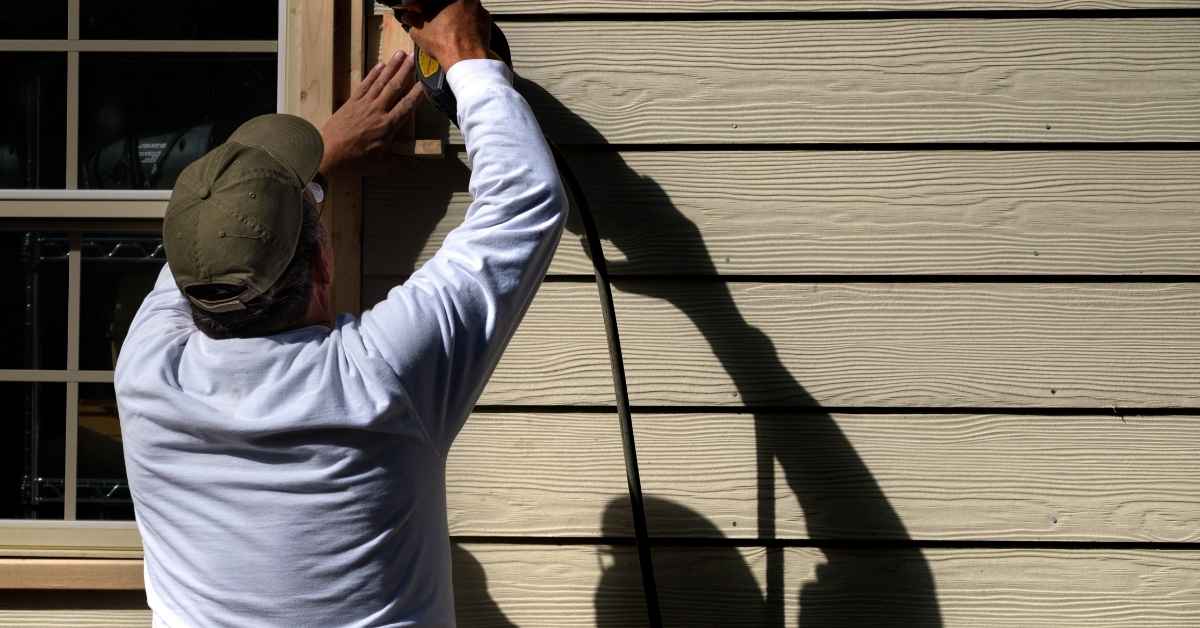
- ✦ 1. Choose the mounting area
Pick the area where the object will go. Avoid obvious obstacles such as windows, doors, vents, electrical equipment, and plumbing fixtures.
- ✦ 2. Find a known reference point
Use a corner, window edge, door opening, or another feature whose location can be measured clearly.
- ✦ 3. Measure across the wall
Measure from the known point toward the area where you expect the stud. Common framing layouts may use regular spacing, but do not treat a typical spacing as proof.
- ✦ 4. Check the suspected location
Use a magnet, suitable stud finder, or another non-destructive check to confirm the framing location.
- ✦ 5. Mark the spot
Use removable tape or another temporary mark so you can keep the location clear while preparing the mount.
- ✦ 6. Plan the fastener
Choose a fastener that suits the wall material, siding system, load, and mounting hardware. The screw length should not be based on siding thickness alone.
Start With the Corners, Windows, and Doors
Corners and openings are useful because framing is normally required around them. A window or door can therefore give you a reliable reference for measuring. It does not tell you the exact location of every nearby stud, but it gives you a much better starting point than guessing in the middle of a blank wall.
- ✦ Exterior corners
Corners require framing, so they can serve as useful reference areas.
- ✦ Windows
The sides of a window opening normally have framing, making them useful for measurements.
- ✦ Doors
Door openings normally have framing along their sides and above the opening.
Use Siding Seams as Clues, Not Proof
The vertical edges of vinyl siding panels can provide visual clues about how the siding was installed, but they do not guarantee a stud underneath. Siding installers can use different layouts, and seams may be placed for appearance or installation needs.
If a seam lines up with a suspected framing point, treat it as one clue. Confirm it with measurements or another method before drilling.
Use a Magnet to Locate Fasteners Behind the Siding
A strong magnet can be a useful low-cost way to find metal nails or screws behind vinyl siding. The magnet does not find the wood stud itself. Instead, it can detect metal fasteners that may have been driven into the framing.
Move the magnet slowly across the siding in a straight path. When you find several fasteners that form a vertical line, you may have found a useful clue about the framing behind the panel.
This method is simple, but it is not perfect. Some siding systems may use fasteners that are hard for a magnet to detect, and other metal parts can produce readings. Use the magnet as confirmation rather than treating one strong pull as final proof.
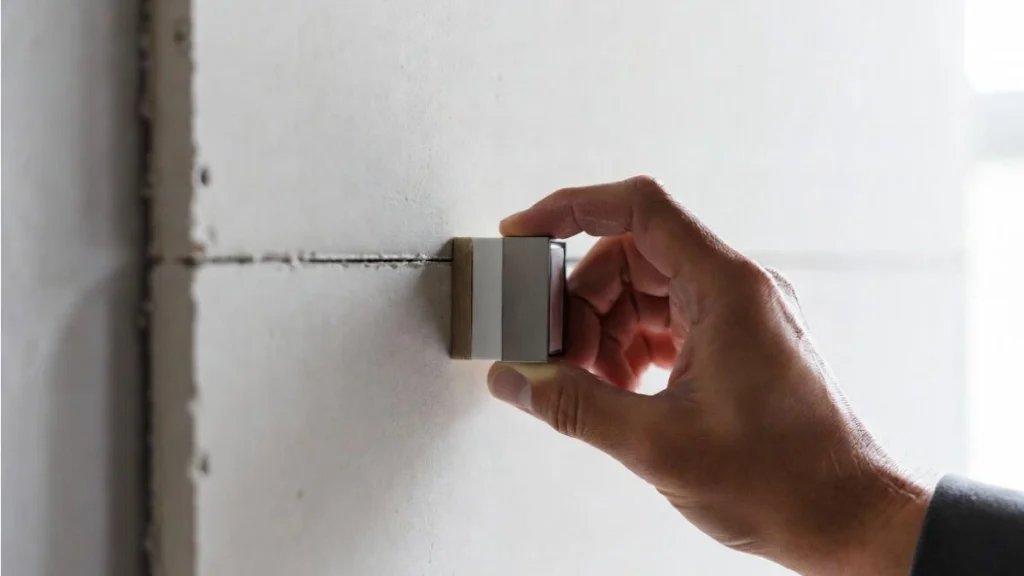
- ✦ Use a strong magnet
A stronger magnet makes it easier to detect small metal fasteners through the siding and wall layers.
- ✦ Move slowly
Slow, steady movement makes small changes in magnetic pull easier to notice.
- ✦ Look for a vertical pattern
Several fasteners in a straight vertical line can indicate a framing line beneath the siding.
- ✦ Confirm the result
Check the suspected line with measurements or another method before drilling.
Why a Magnet Works Better Than a Simple Guess
A guess based only on common stud spacing can be wrong. A magnet gives you a physical clue from the wall itself. When that clue agrees with measurements and the layout of the building, confidence in the location improves.
Can a Stud Finder Work Through Vinyl Siding?
A stud finder can sometimes help, but results vary. Many electronic stud finders are designed mainly for indoor drywall and may behave differently when used across vinyl siding, sheathing, and other exterior wall layers.
If you use one, read the tool instructions first. Test it in more than one direction and compare its readings with known wall features. A single electronic signal should not be the only reason you drill into an exterior wall.
Some advanced scanners can detect changes in density or other materials through several layers. These tools can be useful on difficult walls, but their performance depends on the wall construction and the device.
- ✦ Check the tool rating
Make sure the manufacturer says the tool can work through the materials and depth you need to scan.
- ✦ Calibrate as directed
Follow the tool’s setup process so the wall surface does not cause an incorrect reading.
- ✦ Scan more than once
Repeat the scan and compare results instead of trusting one isolated signal.
- ✦ Combine methods
Use the stud finder with measurements and other clues for a more reliable result.
What Can Cause False Readings?
Metal flashing, corner pieces, fasteners, electrical parts, and changes in wall thickness can affect some electronic tools. Moisture can also change how certain sensors read a wall. If the result seems inconsistent, stop and verify the location with another method.
- ✦ Metal
Metal parts near the surface can create signals that look like framing.
- ✦ Multiple layers
Vinyl siding, sheathing, insulation, and other layers can make detection harder.
- ✦ Irregular construction
Older or remodeled homes may not follow a simple framing pattern.
How to Confirm the Stud Location Before Drilling
Confirmation is the most important part of learning how to find studs behind vinyl siding. If the object is heavy or the hole will be hard to repair, spend extra time checking the location before making the opening.
Use at least two independent clues. For example, a measured framing line plus a series of magnetic fastener readings is more useful than either clue by itself.
Also think about what may be inside the wall. Electrical wiring, plumbing, and other hidden parts may be present. Never drill where you have reason to suspect a utility, and use appropriate precautions for the type of work.
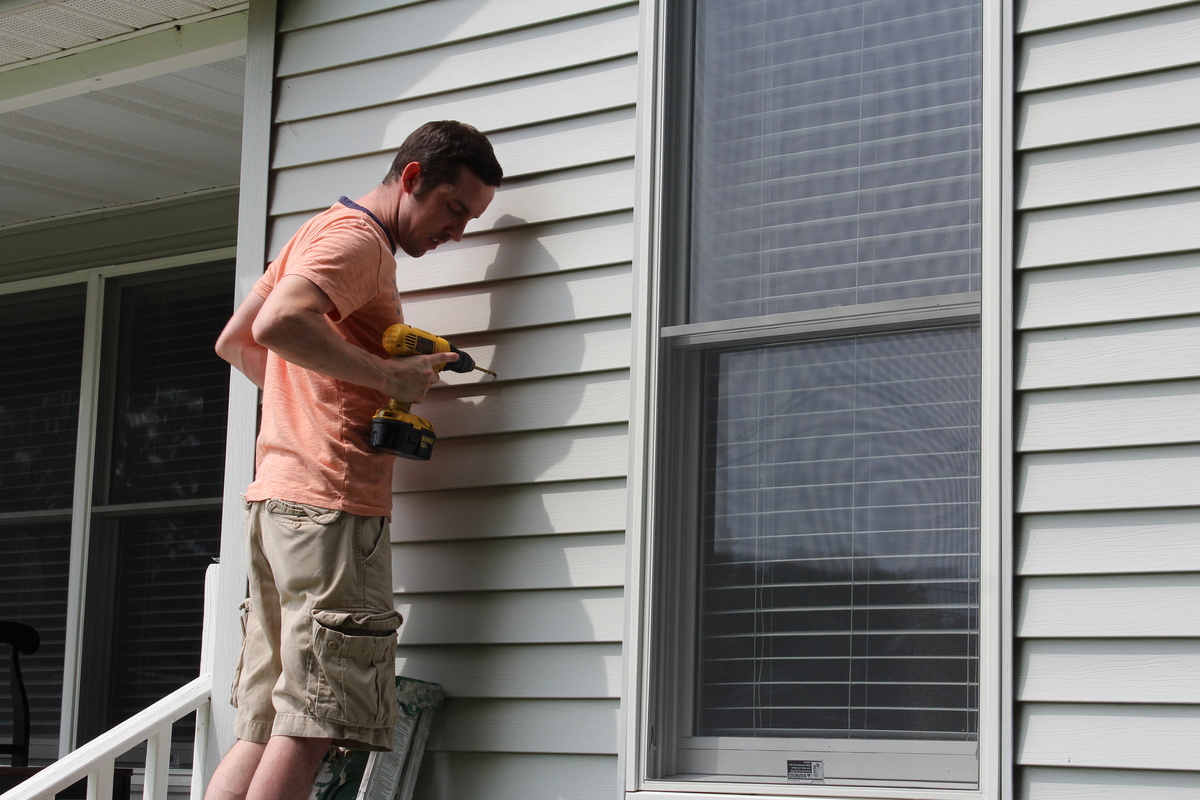
- ✦ Check from two directions
Measure from different known features when possible. Matching measurements give you a stronger reference.
- ✦ Follow fastener patterns
A vertical line of detected fasteners can help confirm a suspected framing line.
- ✦ Check the building layout
Look at nearby corners, openings, and interior wall locations for clues about the framing.
- ✦ Think about hidden utilities
Before drilling, consider electrical and plumbing routes and use suitable detection methods when needed.
When a Small Test Hole May Be Reasonable
If non-destructive methods do not give you enough confidence, a carefully planned test hole may be an option for some projects. However, drilling through exterior siding creates a weather-sealing concern, so do not make test holes casually.
For a critical structural attachment or a location where water could enter, it can be better to have the siding lifted by someone who knows how to use a vinyl siding removal tool. That can expose the wall surface without cutting a random hole in the siding.
How to Drill Through Vinyl Siding Without Damaging It
Once you know how to find studs behind vinyl siding, the next step is making the attachment. This is where many otherwise simple projects go wrong. Vinyl siding is not meant to be squeezed tightly against a fastener in the same way as a rigid wall surface.
For many mounting jobs, the fastener passes through the siding and into the wall structure. The exact method depends on the siding system, the item being mounted, the wall construction, and the fastener. Follow the mounting hardware instructions and the siding manufacturer’s guidance when available.
Avoid using the siding itself as the main support for a heavy load. Also avoid overtightening a screw against the siding. The panel needs room for normal movement.
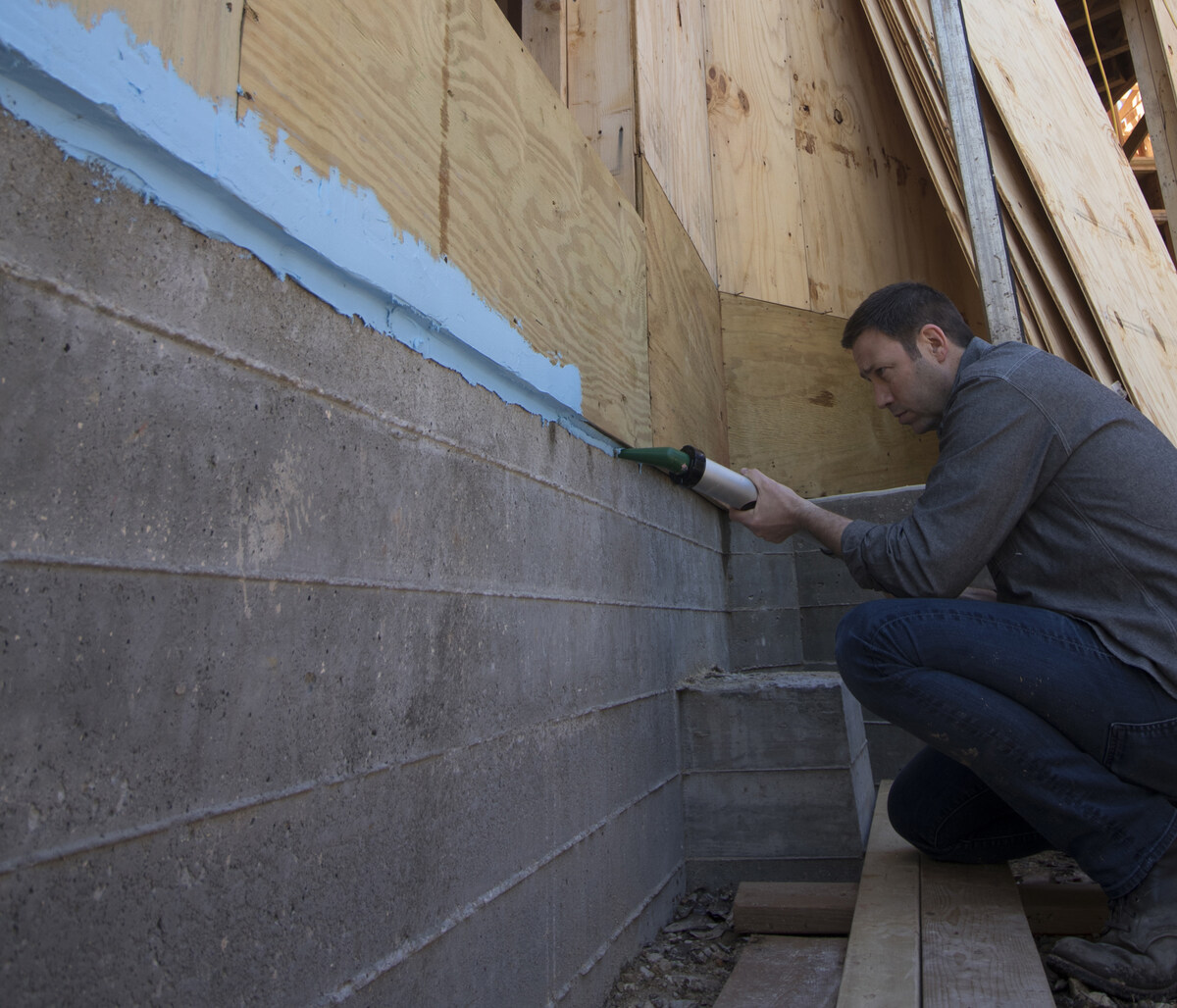
- ✦ Use the right bit
Choose a drill bit that matches the material you need to pass through and the fastener you plan to use.
- ✦ Keep the hole controlled
Drill only as much as needed and avoid forcing the bit through the siding.
- ✦ Do not crush the panel
Avoid clamping the vinyl tightly under the fastener head unless the mounting system specifically requires it.
- ✦ Protect against water
Use an appropriate exterior seal or mounting method when the installation creates a path through the weather-resistive layer.
Why Vinyl Siding Needs Room to Move
Vinyl changes size with temperature. That is why siding panels are normally installed with room for movement. If a screw locks a panel in place, the panel may develop waves, buckles, or other visible problems as the weather changes.
A proper mounting method should support the object while allowing the siding to perform as intended. When in doubt, use hardware made for mounting through vinyl siding or consult the siding manufacturer.
Common Mistakes When Finding Studs Behind Vinyl Siding
Finding a stud is not just about locating a vertical line. The mounting point must also work with the siding, wall construction, fastener, and load. A small mistake can lead to a loose mount or damage that lets water reach the wall.
The most common problems come from assuming that siding features always match the framing. They do not. Take the time to confirm the location before you make a permanent hole.
- ✦ Assuming every siding seam marks a stud
A siding seam can be a useful clue, but it does not prove that a structural stud sits directly behind it.
- ✦ Trusting one tool reading
Exterior walls can confuse electronic sensors. Confirm an important location with another method.
- ✦ Using a normal stud spacing as proof
Common framing layouts are helpful for estimates, but renovations and unusual construction can change the pattern.
- ✦ Overtightening the fastener
A tight screw can stop vinyl from moving and may cause the siding to buckle or crack.
- ✦ Ignoring water control
A hole through an exterior wall can create a path for water. Use a proper exterior mounting and sealing method.
- ✦ Drilling without considering utilities
Electrical wires and plumbing may be hidden in walls. Check the area before drilling.
What If You Cannot Find the Stud?
Do not keep making holes until you hit something solid. If several methods give conflicting results, stop and reassess the wall. You may be dealing with unusual framing, a masonry wall, metal framing, or a layer that prevents your tool from working well.
For a heavy or safety-critical installation, opening the siding in a controlled way or getting help from an experienced contractor can save time and prevent costly damage.
Tools You May Need for This Job
You do not need a large tool kit to start. A tape measure and a strong magnet can solve many simple cases. For harder walls, a suitable scanner or stud finder can provide another useful clue.
The tool you need depends on the wall and the item you plan to mount. A heavy object calls for more careful planning than a small, light accessory.
- ✦ Tape measure
Use it to measure from corners, windows, doors, and other known reference points.
- ✦ Strong magnet
Use it to locate metal siding fasteners that may follow a framing line.
- ✦ Stud finder or wall scanner
Use a device that is suitable for exterior walls and the depth of the materials involved.
- ✦ Drill and proper bit
Use a bit suited to the siding and wall materials when drilling is part of the planned installation.
- ✦ Exterior-rated sealant
Use an appropriate product when the mounting method requires sealing around a penetration.
- ✦ Siding removal tool
A siding zip tool can help separate vinyl panels when controlled access behind the siding is necessary.
A Simple Method for Older Homes and Remodels
Older homes can make learning how to find studs behind vinyl siding more challenging. Past repairs may have changed the framing, added new wall layers, or covered old openings. A regular measurement pattern may not tell the whole story.
Start with a known corner or opening. Then use measurements, visible construction clues, and a magnet or scanner to build a picture of the wall. If several clues agree, mark the likely stud before deciding how to mount your item.
If the wall seems unusually thick or your readings do not make sense, avoid drilling blindly. The wall may have masonry, additional sheathing, insulation, or other materials that change how common tools work.

- ✦ Look for renovation clues
Changes in siding, trim, wall thickness, or openings can suggest that the wall has been altered.
- ✦ Use more than one reference
Compare measurements from corners and openings instead of relying on one starting point.
- ✦ Expect irregular areas
Additions, repairs, and unusual framing can break a simple stud pattern.
When You Should Get Professional Help
Many homeowners can locate a likely stud for a simple project. Some installations, however, deserve professional help. This is especially true when the item is heavy, elevated, safety-critical, or connected to electrical or plumbing systems.
A siding professional can also remove and reinstall vinyl panels without unnecessarily damaging them. This can be useful when you need direct access to the wall or when the mounting system requires a precise attachment point.
If you are unsure about the wall structure, stop before drilling. The cost of checking the wall is usually much lower than repairing damaged siding, hidden wiring, water intrusion, or a failed mount.
- ✦ Heavy loads
Large fixtures and heavy equipment need a mounting plan that matches the wall structure and load.
- ✦ Electrical work
If drilling could affect wiring or the project involves electrical connections, use appropriate electrical safety practices and qualified help when needed.
- ✦ Plumbing concerns
Avoid drilling where hidden water or gas lines may run.
- ✦ Difficult siding access
A siding professional can expose the wall with less risk of cracking or damaging the panels.