How to Use an Impact Wrench: A Safe, Simple Step-by-Step Guide
An impact wrench can turn a slow hand job into a quick one. It is useful for wheel work, repairs, construction, and many stubborn bolts. But speed can also cause mistakes if you use too much force or the wrong socket.
The key to learning how to use an impact wrench is knowing when to use its power and when to stop. A good technique uses the right socket, a firm grip, a stable work area, and a separate torque wrench when exact final torque matters.
One practical lesson is simple: an impact wrench is a power tool, not a magic torque meter. The tool can remove a very tight fastener with ease, but that does not mean it should also set every fastener to its final torque.

What Is an Impact Wrench?
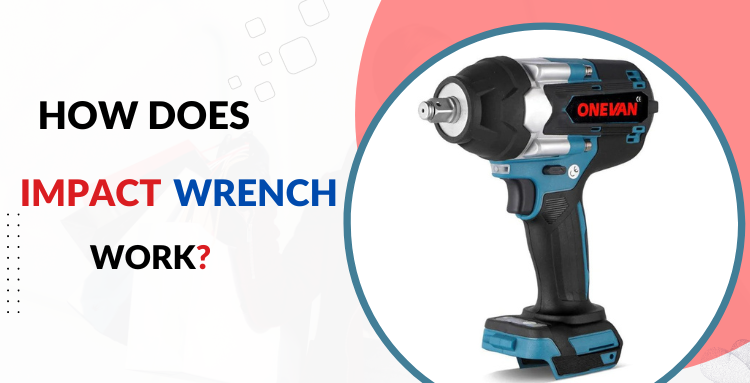
An impact wrench is a powered tool made to turn nuts and bolts with high rotational force. Unlike a regular drill, it uses a hammering action inside the tool. That action sends quick bursts of force through the drive and socket.
This makes the tool very useful when a fastener is stuck or when you need to remove many fasteners quickly. Common uses include car lug nuts, suspension bolts, frame work, machinery, and construction jobs.
When learning how to use an impact wrench, first understand that impact force is different from steady force. The tool may spin freely at first, then deliver repeated hits as resistance rises.

- ✦ **Cordless impact wrench**
A battery powers the motor. It is easy to move and works well for home garages, roadside jobs, and many professional repairs.
- ✦ **Pneumatic impact wrench**
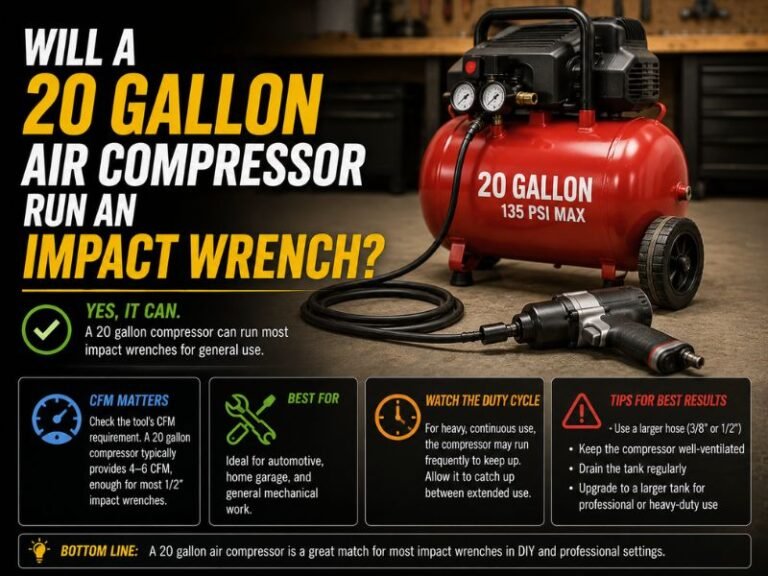
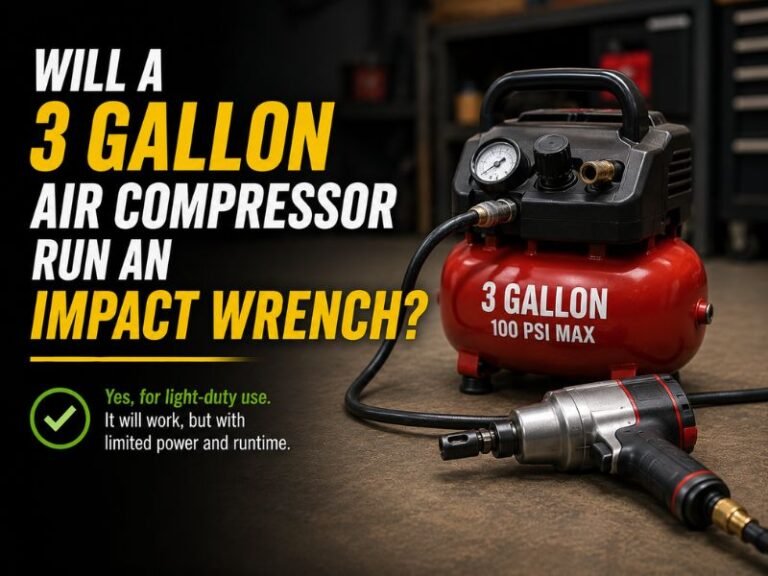
Compressed air powers the tool. It is common in auto shops and can provide strong, steady performance when paired with a suitable compressor.
- ✦ **Electric corded model**
A power cord supplies the motor. These models can suit fixed work areas where an outlet is close by.
Impact Wrench vs. Impact Driver
An impact wrench normally uses a square drive, such as 1/2 inch or 3/8 inch, for sockets. An impact driver usually uses a hex-shaped bit holder for driver bits and smaller socket adapters. They can look similar, but they serve different jobs.
For automotive lug nuts and larger bolts, an impact wrench is usually the better fit. Always check the tool maker’s rated size and torque range before use.
What You Need Before Using an Impact Wrench
Good setup makes how to use an impact wrench much easier. Before you pull the trigger, check the tool, socket, battery or air supply, and work area. A few seconds of setup can prevent damaged fasteners and injuries.
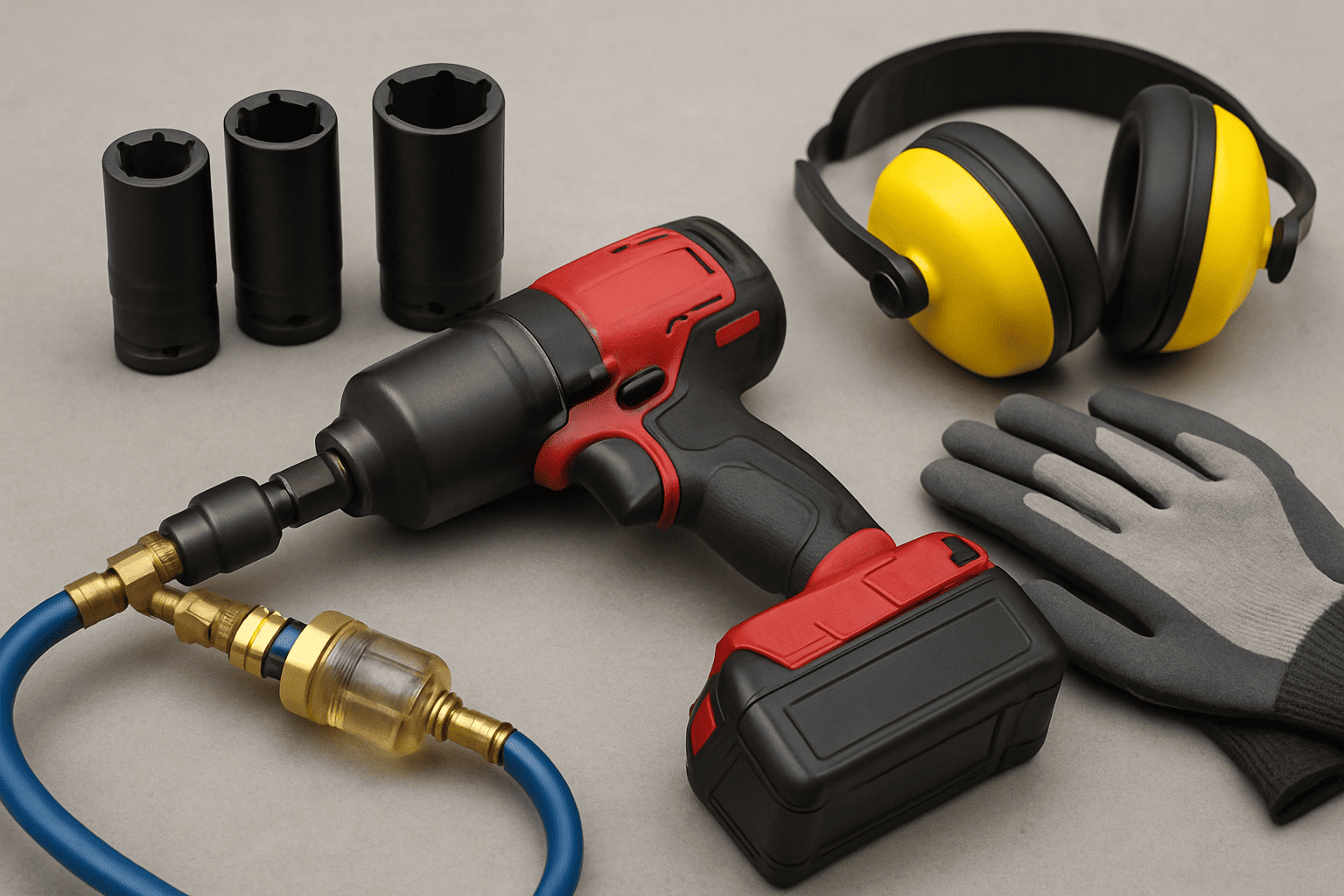
Choose a socket that fits the fastener exactly. For high-impact work, use sockets made for impact tools. They are designed to handle repeated shock loads better than many standard chrome hand-tool sockets.
If you are working on a vehicle, make sure the vehicle is parked on a firm, level surface when possible. Use the parking brake and wheel chocks as needed, and support a lifted vehicle with properly rated jack stands before working underneath it.
- ✦ Correct impact socket
Match the socket size to the fastener. Use an impact-rated socket rather than a standard chrome socket for impact-wrench work.
- ✦ Eye protection
Wear safety glasses to protect your eyes from dirt, rust, metal chips, or broken pieces.
- ✦ Stable footing
Stand where you can keep your balance and control the tool if the fastener suddenly breaks free.
- ✦ Charged battery or suitable air supply
For cordless tools, install a suitable charged battery. For pneumatic tools, use the air pressure, hose, fittings, and compressor setup specified by the tool maker.
- ✦ Correct fastener specification
Know the required final torque before tightening a torque-critical fastener. The vehicle, equipment, or component maker’s specification should guide the final setting.
Why Impact Sockets Matter
Impact sockets have a design that helps them handle sudden force. Standard chrome sockets are generally intended for hand tools and can be more likely to crack or fail under impact use.
The socket should also sit fully on the fastener. A poor fit can round the corners of a nut or bolt head and make the next repair much harder.
How to Use an Impact Wrench Step by Step
The basic process for how to use an impact wrench is simple. The important part is how you control the tool. Start slowly and let the wrench do the work instead of forcing it.
These steps work as a general guide for both cordless and pneumatic impact wrenches. Always follow the instructions supplied with your specific model because controls, speed settings, and safety features can differ.

- ✦ 1. Inspect the tool
Check the housing, drive, battery area, cord, air fittings, and controls. Do not use a tool that has visible damage.
- ✦ 2. Fit the impact socket
Push the correct impact socket fully onto the square drive. Make sure it is secure before placing it on the fastener.
- ✦ 3. Set the direction
Choose forward for tightening or reverse for loosening. Confirm the direction before pressing the trigger.
- ✦ 4. Seat the socket
Place the socket straight over the nut or bolt head. Keep the tool and fastener in line.
- ✦ 5. Start with low control
Use a low speed or gentle trigger pull when your tool allows it. This gives you better control and reduces the chance of overdoing the job.
- ✦ 6. Use short bursts
Press the trigger in short bursts. Watch the fastener and stop when it breaks free or reaches the intended snug point.
- ✦ 7. Finish the job correctly
For a fastener with a specified final torque, use a calibrated torque wrench after snugging it with the impact wrench.
How to Use an Impact Wrench to Remove a Bolt
Place the correct impact socket fully on the bolt or nut. Set the wrench to reverse, brace the tool, and squeeze the trigger for a short burst. If the fastener does not move, pause and check the socket fit, tool setting, and fastener condition before applying more force.
Do not keep holding the trigger for a long time just because the bolt has not moved. A seized fastener may need penetrating oil, heat, a breaker bar, or another repair method that suits the material and job.
How to Use an Impact Wrench to Tighten a Bolt
Start the fastener by hand when possible. This helps prevent cross-threading. Once the threads engage, use the impact wrench with short bursts to bring the fastener snug.
Stop before you assume the fastener has reached its required torque. For important joints, use a torque wrench to set the final value listed by the manufacturer.
How to Use an Impact Wrench on Car Lug Nuts
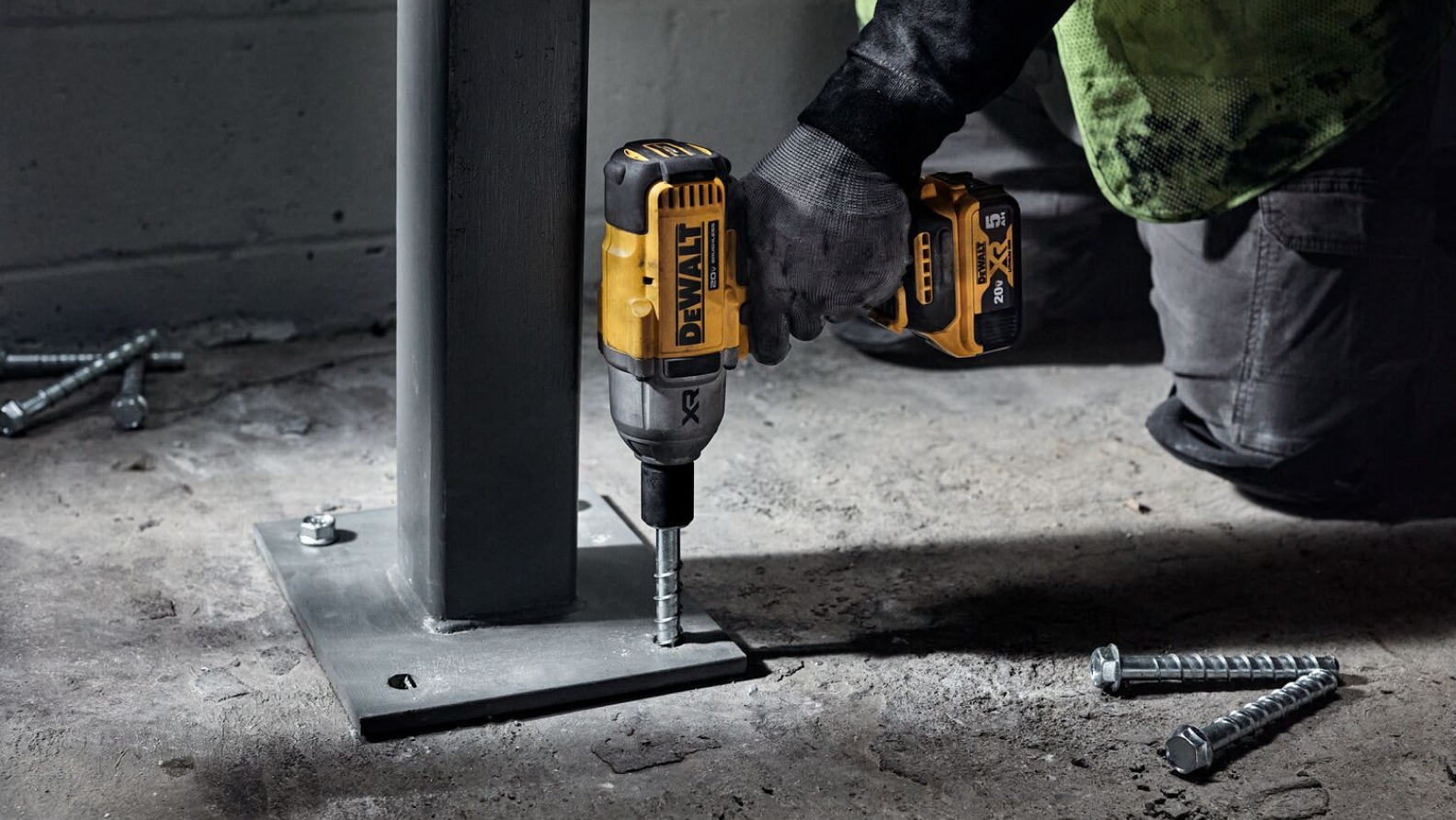
Learning how to use an impact wrench on lug nuts is one of the most common reasons people buy one. The tool can make wheel removal much faster, especially when a vehicle has several wheels to service.
Safety matters here because a wheel supports the vehicle and the lug nuts hold the wheel in place. Use the vehicle maker’s lifting points, support the vehicle correctly, and never place your body under a vehicle that is supported only by a jack.
For installation, start every lug nut by hand. Then use the impact wrench only to snug the nuts. The final tightening should follow the vehicle maker’s torque specification with a calibrated torque wrench.
- ✦ Before removal
Park safely, secure the vehicle, and use the correct lifting and support procedure for the vehicle.
- ✦ For removal
Use the impact wrench in reverse with the correct impact socket. Keep the socket straight and use controlled trigger bursts.
- ✦ For installation
Thread each lug nut by hand first. Use the impact wrench only for controlled snugging.
- ✦ For final torque
Use a torque wrench and the vehicle maker’s stated torque value. Do not guess the final torque from sound, feel, or the number of impact hits.
Why You Should Not Guess Lug Nut Torque
An impact wrench can deliver much more force than your hands can. Its final torque can vary with the tool, battery or air supply, socket, fastener condition, rust, thread condition, and how long you hold the trigger.
That is why a power tool should not replace a torque wrench when a precise wheel-lug specification matters. A torque wrench gives you a direct way to apply the specified final torque.
How Much Torque Should You Use?
Torque is the turning force applied to a fastener. Impact wrenches often list a torque rating, but that rating does not mean the tool will deliver the same torque on every job. Real results depend on the tool, power source, socket, fastener, and working conditions.
For that reason, do not pick a final torque value just because your wrench has a high rating. Use the specification supplied by the vehicle, equipment, or component maker.
When a precise value matters, **how to use an impact wrench** should include a final check with a calibrated torque wrench. This is especially important for wheel lugs, engine parts, suspension components, and other safety or performance-critical joints.
- ✦ Tool rating
Treat the manufacturer’s torque rating as a guide to tool capability, not as a universal final-torque setting.
- ✦ Fastener specification
Use the required torque listed by the equipment or vehicle manufacturer.
- ✦ Final verification
Use a calibrated torque wrench when the joint requires a specific final torque.
- ✦ Avoid guesswork
Do not judge torque by sound, trigger time, or how tight the fastener feels.
Can You Control Torque With an Impact Wrench?
Some modern impact wrenches offer speed modes, power settings, or electronic torque-control features. These features can improve control, but their accuracy depends on the tool and the conditions described by its maker.
If the job calls for a precise torque value, check the tool instructions and use a torque wrench for final verification unless the manufacturer gives a validated procedure that says otherwise.
Impact Wrench Safety Tips
Safety is a major part of how to use an impact wrench. The tool can spin fast and deliver strong impacts, so a small mistake can damage a fastener or cause an injury.
Keep your hands away from moving parts and hold the tool with a firm grip. Never modify the tool or defeat its safety features. Read the manual before using a new model, even if you have used another impact wrench before.

- ✦ **Wear eye protection**
Protect your eyes from rust, dirt, chips, and other debris that can come loose during impact work.
- ✦ Use the right socket
Choose a socket that fits the fastener and is rated for impact use.
- ✦ Keep the tool straight
A straight socket reduces the chance of slipping, rounding the fastener, or damaging the socket.
- ✦ Secure the work
Keep the vehicle, machine, or workpiece stable before applying force.
- ✦ Check the tool first
Do not use a damaged tool, damaged socket, frayed cord, damaged battery, or faulty air connection.
- ✦ Protect your hearing
Impact tools can be loud. Use suitable hearing protection when the noise level calls for it.
- ✦ Avoid loose clothing
Keep clothing, hair, and other loose items away from rotating parts.
- ✦ Do not overreach
Move your body or reposition the work when needed. A stable stance gives you better control.
What Not to Do With an Impact Wrench
Do not use the tool as a substitute for every other wrench. A breaker bar may be useful for controlled manual force, while a torque wrench is the right choice for accurate final torque.
Do not use a damaged socket or an incorrect size. Do not keep hammering a fastener without checking why it will not move. Repeated impact can damage the tool, socket, fastener, or surrounding part.
Common Impact Wrench Mistakes and How to Avoid Them
Most problems with how to use an impact wrench come from poor setup or too much force. The tool itself is not usually the problem. The mistake is often using the right tool in the wrong way.
Slow down when a fastener behaves differently than expected. A few extra seconds spent checking the socket, direction, thread, and tool setting can save a damaged bolt or a much bigger repair.

- ✦ Using a standard socket
Standard hand-tool sockets may not be designed for repeated impact loads. Use sockets made for impact tools.
- ✦ Starting threads with the trigger
Starting a threaded fastener with power can cause cross-threading. Start it by hand whenever the job allows.
- ✦ Holding the trigger too long
Long trigger pulls can add unnecessary force. Use short bursts and check progress.
- ✦ Working at an angle
A crooked socket can slip or damage the fastener. Keep the tool aligned with the fastener.
- ✦ Skipping final torque
Do not assume an impact wrench has reached the required torque. Verify critical fasteners with the correct torque method.
- ✦ Ignoring a stuck fastener
If a fastener will not move, stop and find the cause. Rust, damaged threads, corrosion, or a seized joint may need another approach.
What If the Impact Wrench Will Not Remove the Bolt?
First, confirm that the wrench is in reverse and that the socket fits correctly. Check the battery charge or air supply, then inspect the fastener for rust, damage, or signs of cross-threading.
If the fastener remains stuck, do not simply keep increasing impact time. Depending on the job, a penetrating lubricant, breaker bar, heat, or professional repair method may be more suitable. Use only methods that are safe for the fastener and surrounding material.
How to Get Better Results From an Impact Wrench
Once you understand how to use an impact wrench, small habits can make the tool faster and safer. Keep sockets clean, keep the drive in good condition, and store the tool as the manufacturer recommends.
For cordless tools, use the battery type and charger specified by the manufacturer. For pneumatic tools, follow the manufacturer’s requirements for air pressure, lubrication, hose size, and fittings.
It also helps to know when not to use the impact wrench. Precision work often calls for hand tools or a torque wrench because control matters more than speed.
- ✦ Keep sockets clean
Dirt or rust inside the socket can prevent a full fit on the fastener.
- ✦ Use the right drive size
Match the socket and drive size to the wrench and the job. Do not force an oversized or undersized setup.
- ✦ Use approved extensions and adapters
If an extension or adapter is needed, choose one rated for impact use and understand that added length or adapters can affect tool performance.
- ✦ Start by hand when possible
Hand-starting a threaded fastener gives you better control and helps prevent cross-threading.
- ✦ Use short trigger pulls
Short bursts help you judge progress and reduce unnecessary impact.
- ✦ Keep the manual nearby
Tool controls and limits vary. The manufacturer’s instructions are the best source for model-specific settings.
When an Impact Wrench Is the Wrong Tool
An impact wrench is not ideal for every fastener. Avoid using it when the manufacturer calls for delicate hand tightening, precise low torque, or a special tightening sequence that the tool cannot safely provide.
It is also a poor choice when you cannot hold the tool securely or keep the work stable. In those cases, a hand wrench or another controlled method may give you better results.
How to Maintain an Impact Wrench
Basic care helps an impact wrench perform well for a long time. Clean dirt from the tool after use and check the drive, controls, housing, and power connection for signs of wear.
Cordless users should follow the battery maker’s storage and charging instructions. Pneumatic tool users should follow the tool maker’s instructions for air quality, lubrication, and fittings. Never guess about maintenance requirements when the manual gives a specific procedure.
If the tool develops unusual noise, vibration, heat, smell, or loss of power, stop using it and inspect it according to the manufacturer’s instructions. A repair shop or qualified service center may be needed for an internal fault.
- ✦ **Clean after use**
Remove dirt and debris from the tool and socket before storage.
- ✦ **Inspect the drive**
Check the square drive and retaining system for damage or unusual wear.
- ✦ **Check accessories**
Replace cracked, damaged, badly worn, or unsuitable sockets and adapters.
- ✦ **Follow battery guidance**
Use the recommended battery and charger, and follow the maker’s storage instructions.
- ✦ **Follow air-tool guidance**
For pneumatic models, use the specified air setup and maintenance process.