How Much Does a Cordless Drill Cost: Essential Information Guide
A cordless drill typically costs $40 to $250, although basic homeowner models can cost less and professional kits with batteries, chargers, and multiple tools can exceed $400. The right price depends mainly on voltage, battery capacity, motor quality, included accessories, and how often the drill will be used.
The goal is not simply to find the lowest shelf price; it is to buy a tool that can handle your projects without paying for power or features you will never use. A cheap drill may be perfectly suitable for assembling furniture, while a contractor or serious DIY user may need longer runtime, stronger torque, and a more durable clutch.
This guide explains typical cordless drill price ranges, what the package includes, how battery systems affect the total cost, and which features justify spending more. After reading, you will be able to compare bare tools with complete kits, recognize misleading bargains, estimate ownership costs, and choose a drill that fits light household repairs, demanding DIY work, or professional use.
Typical Cordless Drill Price Ranges
Most cordless drill prices fall into several practical tiers. The dividing lines are not absolute, but they provide a useful starting point when comparing models with similar batteries and included equipment.
- Basic 12-volt drills: About $40 to $100 for light-duty household work.
- Midrange 18-volt or 20-volt drills: About $80 to $180 for general DIY and renovation tasks.
- Professional brushless drills: About $150 to $300 for demanding, frequent use.
- Premium kits: About $250 to $500 or more when several tools, batteries, and a charger are included.
These ranges usually refer to common retail prices rather than temporary sales. Seasonal promotions, refurbished tools, clearance inventory, and bundles can lower the price substantially, but the lowest advertised figure may represent a bare tool with no battery or charger.
A drill sold as a “tool only” product may appear inexpensive because it assumes that the buyer already owns compatible batteries. If a new battery costs $50 to $150 and a charger adds another $30 to $80, the complete purchase can cost much more than the initial listing suggests.
What You Get at Each Price Level
Under $75: Light household use
Low-cost cordless drills are generally designed for occasional tasks such as assembling furniture, installing curtain hardware, tightening screws, and drilling small holes in wood or thin plastic. Many use compact 12-volt batteries, which keep the tool light and easier to control.
At this level, expect a basic chuck, modest torque, fewer speed settings, and a smaller battery. These tools can be convenient, but they may struggle with large bits, dense hardwood, long screws, or repeated drilling. Some inexpensive products also include a battery and charger, while others are sold as part of a small starter kit.
$75 to $180: General-purpose DIY performance
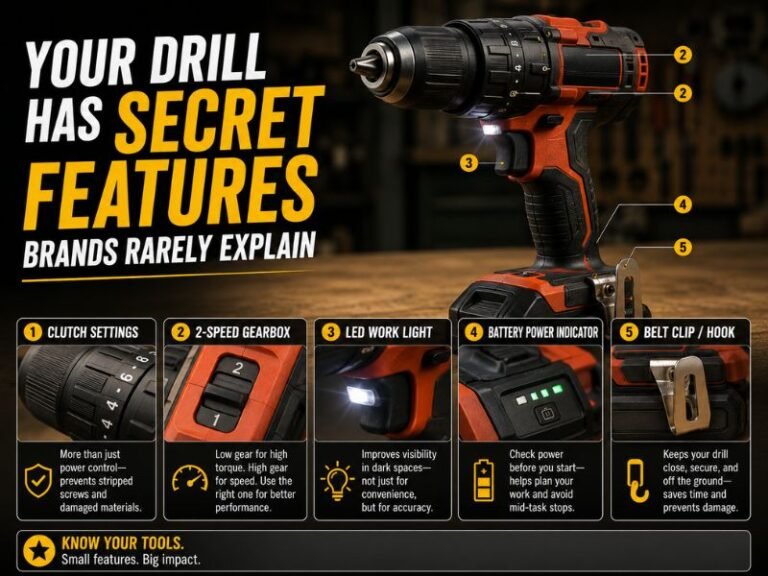
This range contains many of the best values for homeowners. A midrange drill commonly provides an 18-volt or 20-volt battery platform, a two-speed gearbox, an adjustable clutch, a built-in work light, and enough torque for common wood, metal, and masonry-related tasks when the correct bit is used.
Some models in this category use brushed motors, while others offer brushless motors. Brushless designs typically cost more but can deliver improved efficiency, longer motor life, and better runtime under load. A midrange brushless kit can be a sensible choice for frequent DIY projects without reaching professional pricing.
$180 to $300: Heavy-duty and professional drills
Higher-priced drills usually emphasize durability, power, ergonomics, and sustained performance rather than a dramatic difference in basic drilling ability. They may have stronger gearboxes, all-metal chucks, electronic controls, better vibration management, and protection against overheating or overloading.
A professional drill can be worthwhile when it is used daily, drives many long fasteners, drills large holes, or operates in demanding construction conditions. For occasional home maintenance, however, premium durability may not repay the extra cost.
More than $300: Kits and specialized equipment
Prices above $300 often reflect a bundle rather than one unusually expensive drill. A kit may include an impact driver, circular saw, reciprocating saw, extra batteries, a rapid charger, and a carrying bag. The value depends on whether those additional tools are genuinely useful.
Specialized hammer drills, high-torque models, and systems with large-capacity batteries can also move beyond this range. These are intended for heavier materials, extended runtime, or trade-specific work—not merely for routine screwdriving.
Why Cordless Drill Prices Vary
Voltage and torque
Voltage is a broad indicator of the battery system, not a complete measure of performance. A compact 12-volt drill can be more comfortable for small jobs, while an 18-volt or 20-volt model usually offers greater torque and capacity for larger fasteners and bits.
Higher voltage does not automatically mean better value. A powerful drill may be heavier, more expensive, and less pleasant for delicate work. Consider the materials, hole sizes, and fastener lengths involved instead of choosing solely by the number printed on the battery.
Battery capacity and chemistry
Battery capacity is commonly expressed in amp-hours, or Ah. A higher Ah rating generally provides longer runtime, but it also adds weight and cost. A compact battery may be ideal for overhead work, while a larger pack is more useful when stopping to recharge would interrupt a project.
Most current cordless tool systems use lithium-ion batteries because they are relatively light and hold their charge well between uses. Batteries are often among the most expensive replacement components, so compatibility with an established platform can have a major effect on long-term cost.
Motor design
Brushed motors are common in budget tools and can perform well for occasional tasks. Their brushes gradually wear, and the motor may be less efficient under demanding loads.
Brushless motors use electronic controls instead of replaceable carbon brushes. The design can improve efficiency and durability, but the price premium only makes financial sense if the drill will receive frequent or demanding use.
Chuck, clutch, and controls
A 3/8-inch chuck is common on compact drills, while a 1/2-inch chuck can accept larger bits and is more common on higher-powered models. A ratcheting keyless chuck can grip bits securely without requiring a separate chuck key.
An adjustable clutch helps prevent overdriving screws and damaging soft materials. Multiple speed ranges provide better control: a low range favors torque, while a high range favors faster drilling. These features may matter more in daily use than a small difference in maximum advertised speed.
Bare Tool Versus Complete Kit Cost
The most important price comparison is whether the package includes a battery and charger. A complete kit normally contains the drill, at least one battery, a charger, and sometimes a case or bag. A bare tool contains only the drill body.
Bare tools make sense when the buyer already owns batteries from the same brand and voltage platform. They are often the least expensive way to add another tool, but they are poor bargains for someone starting from nothing.
For a first purchase, compare the full starting cost rather than the drill-only price:
- Drill or drill-driver body
- One or two compatible batteries
- Battery charger
- Storage case or bag, if needed
- Basic drill and driver bits
A kit with two smaller batteries may be more useful than a single large battery because one can charge while the other is in use. Conversely, a large-capacity pack may be cheaper over time if the tool will be used continuously.
How Much Should You Spend for Your Project?
Furniture assembly and small repairs
Spend roughly $40 to $100 for a compact drill if the main tasks involve assembling flat-pack furniture, installing shelves, hanging hardware, and drilling small holes in wood. A lighter 12-volt model can reduce hand fatigue and provide better control around delicate materials.
An adjustable clutch is especially useful for these jobs. It helps stop the motor before a screw strips, breaks, or sinks too deeply into particleboard.
Home improvement and regular DIY
A budget of $100 to $200 is reasonable for a homeowner who drills regularly, installs cabinets, builds projects, or works with a variety of wood and metal. A two-speed 18-volt or 20-volt kit with a decent battery offers a practical balance of capability and price.
Choose a platform with batteries that can power other tools you may realistically buy later. The ability to share batteries can reduce the cost of expanding a tool collection, but it should not justify buying a poor drill or an unsuitable ecosystem.
Construction and demanding work
Professionals and frequent users may reasonably spend $180 to $300 or more on a durable brushless drill and high-capacity batteries. In this setting, reduced downtime, stronger components, better balance, and longer service life can matter more than the initial purchase price.
If drilling into concrete or masonry is a regular requirement, a standard drill-driver may not be the right tool. A hammer drill adds a hammering action for masonry, while a rotary hammer is intended for more intensive concrete work. Buying the correct tool can prevent overheating and premature wear.
Ways to Lower the Total Cost
Compare complete packages during major sales periods, but inspect the battery size and tool model carefully. A discounted kit with a small battery may have a lower price than a similar-looking kit with a higher-capacity pack.
Buying into a battery platform already used by other tools can reduce future costs. However, avoid choosing a platform solely because one drill is discounted; replacement batteries, chargers, and accessories can determine the ownership cost over several years.
Refurbished drills may offer savings when sold through a reliable retailer with a clear return policy and warranty. Used batteries require more caution because their capacity and remaining service life can be difficult to verify.
Accessories also affect the real budget. A basic bit set may cost $15 to $50, while specialty bits, hole saws, masonry bits, and impact-rated driver sets can add considerably more. Using the correct bit improves results and reduces unnecessary strain on the drill.
Safety and Ownership Considerations
Price should never be the only consideration if a drill will be used around electrical wiring, plumbing, or structural materials. Check the work area before drilling, use appropriate eye protection, and select bits designed for the material.
- Remove the battery before changing bits or clearing a jam.
- Secure the workpiece instead of holding it in one hand.
- Use the clutch and low-speed setting when driving screws.
- Wear eye protection when drilling or driving fasteners.
- Stop if the battery, motor, or charger becomes unusually hot.
- Use only batteries and chargers approved for the tool platform.
A drill that overheats, produces smoke, has a damaged battery casing, or shows signs of electrical failure should be removed from service. Do not continue using a tool simply because it was inexpensive; repair or replacement is safer than risking injury or a battery fire.
Frequently Asked Questions About Cordless Drill Cost
How much does a cordless drill cost for basic home
A basic cordless drill usually costs $40 to $100 for home use. That range commonly includes compact models suitable for furniture assembly, small repairs, and light drilling. Confirm whether the listed price includes a battery and charger before comparing products.
Is a $50 cordless drill good enough?
A $50 cordless drill can be adequate for occasional light-duty work. It may not offer the runtime, torque, chuck strength, or durability needed for large holes, dense materials, or frequent construction tasks. For routine household jobs, its limitations may not matter.
How much does a cordless drill cost with a battery
A complete cordless drill kit commonly costs $70 to $250. Compact starter kits occupy the lower end, while brushless drills with larger batteries and professional features occupy the upper end. Always distinguish a complete kit from a bare tool when calculating the purchase price.
Are brushless cordless drills worth the extra money?
Brushless drills are usually worth the premium for frequent or demanding use. They can offer better efficiency, longer motor life, and improved performance under load. Occasional users may receive better value from a capable brushed or entry-level model.
Does a higher voltage cordless drill cost more?
Higher-voltage systems often cost more, but voltage alone does not determine value. An 18-volt or 20-volt drill generally offers more capacity than a compact 12-volt model, but it may also be heavier. Choose based on the work rather than voltage by itself.
Is a cordless drill or drill-driver more expensive?
The terms often describe similar tools, and the price depends more on features and included equipment. A drill-driver typically includes a clutch for controlled screwdriving, while a plain drill may have fewer controls. Compare torque, chuck size, motor type, batteries, and warranty instead of relying on the name.
What is the cheapest way to buy a cordless drill?
The cheapest practical option is often a complete sale kit or a bare tool that matches batteries already owned. A very low-priced bare tool is not economical if a battery and charger must be purchased separately. Include bits and replacement-battery costs in the comparison.
Making the Right Cordless Drill Purchase
For most homeowners, a complete $80 to $180 kit provides the best balance of capability, battery life, and durability. Spend less for occasional light work, or spend more when daily use, heavy materials, brushless performance, and long-term reliability justify the investment.
The major limitation is that advertised prices often exclude batteries, chargers, and accessories, while the wrong drill type can struggle with masonry or other demanding materials. Next, identify the jobs you will perform, compare complete kit costs, and choose a compatible battery platform with the power and safety features those jobs require.