How to Remove a Bolt Without an Impact Wrench: 9 Easy Methods
If you need to know how to remove bolt without impact wrench, you do not need to panic when the power tool is missing. A strong socket, good leverage, and the right method can remove many tight bolts by hand. This works well for common car repairs, home projects, lawn equipment, and general maintenance.
The key is to avoid using brute force too early. First, make sure the socket fits well, clean away dirt and rust, and let penetrating oil work when needed. Then use slow, controlled force with a breaker bar or another suitable hand tool.
In practical repair work, the tool matters, but technique matters just as much. A long handle gives you more leverage, while a steady push helps reduce the chance of slipping. If the bolt begins to round, stop and change your method rather than forcing it.

What You Need to Remove a Bolt Without an Impact Wrench
Before learning **how to remove bolt without impact wrench**, gather the right tools. A six-point socket is often the best first choice because it grips the flat sides of the bolt head. A breaker bar gives you more leverage than a short ratchet.
For a rusty or stuck bolt, add penetrating oil and a wire brush. You may also need a pipe that is designed and rated for use with your tool, although a proper breaker bar is the safer choice. Wear safety glasses and gloves, and keep your hands clear of pinch points.
- ✦ Correct-size socket
Use the exact socket size when possible. A six-point socket usually grips a stubborn hex bolt better than a worn or loose-fitting socket.
- ✦ Breaker bar
A breaker bar has a long handle that gives you more leverage than a standard ratchet.
- ✦ Penetrating oil
Penetrating oil can help work into rusty threads and reduce the force needed to turn the bolt.
- ✦ Wire brush
Use a wire brush to remove loose rust and dirt from the bolt and nearby threads.
- ✦ Safety gear
Wear eye protection and suitable gloves. Keep your body out of the path of the tool if it suddenly breaks free.
Why a Breaker Bar Works
A breaker bar does not hit the bolt like an impact wrench. Instead, it gives you more leverage. A longer handle lets you apply more turning force with the same hand effort.
Apply force slowly at first. This gives you better control and helps you feel whether the bolt is starting to move or the tool is slipping.
- ✦ More leverage
The longer handle increases turning force at the socket.
- ✦ Better control
Slow hand force lets you stop if the socket slips or the bolt begins to deform.
How to Remove a Tight Bolt Step by Step
The most useful answer to **how to remove bolt without impact wrench** is a simple process. Start with the least aggressive method and increase the force only when needed. This protects the bolt head and the part around it.
Take your time with old hardware. Rust, dirt, paint, and corrosion can make a bolt much harder to turn. Cleaning the area first can make a large difference.
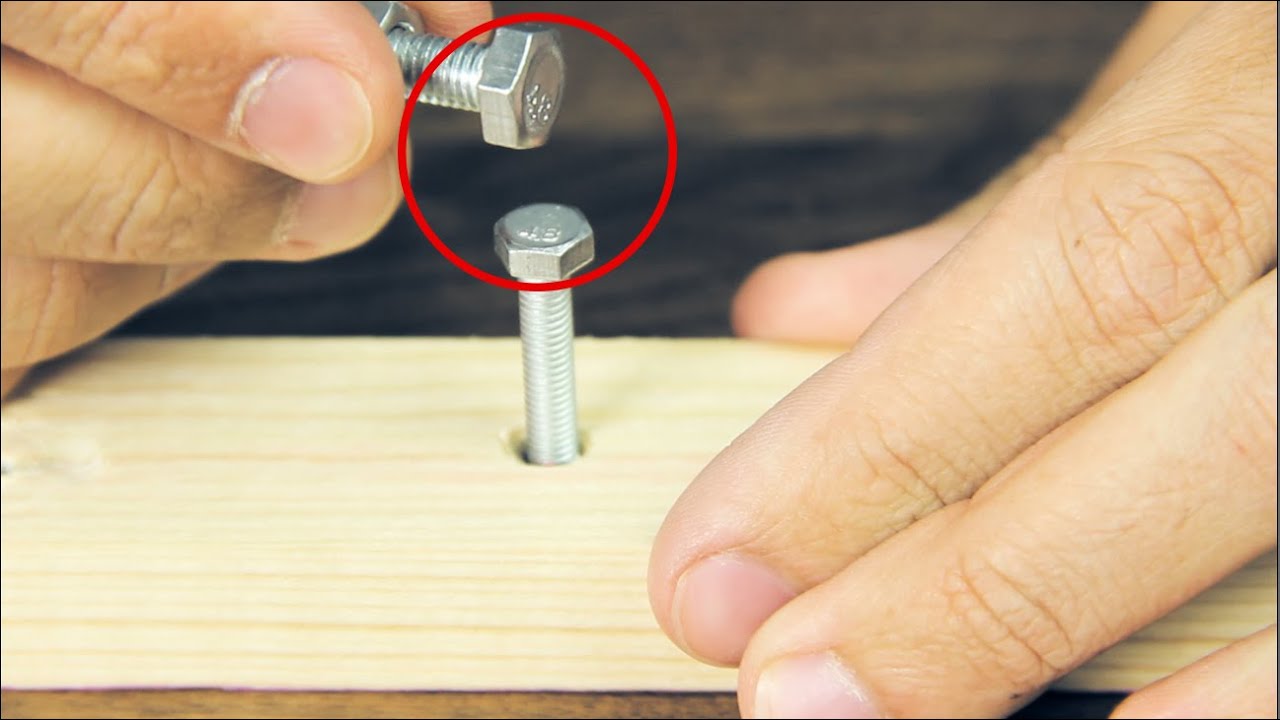
- ✦ 1. Clean the bolt
Brush away dirt, rust, and debris around the bolt head. Make sure the socket can sit fully on the fastener.
- ✦ 2. Choose the right socket
Match the socket to the bolt exactly. Avoid using a socket that feels loose.
- ✦ 3. Apply penetrating oil
Apply penetrating oil around the threaded area when rust or corrosion may be holding the bolt.
- ✦ 4. Let it soak
Give the oil time to work. For heavy corrosion, a second application may help.
- ✦ 5. Seat the socket
Push the socket fully onto the bolt. Keep it straight and aligned with the fastener.
- ✦ 6. Use steady force
Pull or push the breaker bar in a controlled way. Avoid sudden movements that can cause the socket to slip.
- ✦ 7. Work the bolt
If the bolt moves slightly, turn it back and forth a little while adding more lubricant as needed.
Pull Toward Yourself When Practical
When the tool position allows it, pulling toward yourself can give you better control. Keep your feet stable and avoid placing your face or body directly over the tool.
Do not add force by jumping on a ratchet. A sudden load can damage the tool or cause a loss of balance. A properly sized breaker bar is a better way to gain leverage.
- ✦ Stay balanced
Use a stable stance and keep both feet secure.
- ✦ Avoid sudden force
Smooth pressure is easier to control and can reduce the risk of slipping.
Use Penetrating Oil for Rusty or Seized Bolts
Penetrating oil is one of the simplest tools for **how to remove bolt without impact wrench** when rust is part of the problem. It is made to help loosen stuck hardware by working into small gaps around the threads.
Remove loose rust first when you can. Spray the product as directed on its label, wait for it to work, and then try the bolt again with the correct socket.
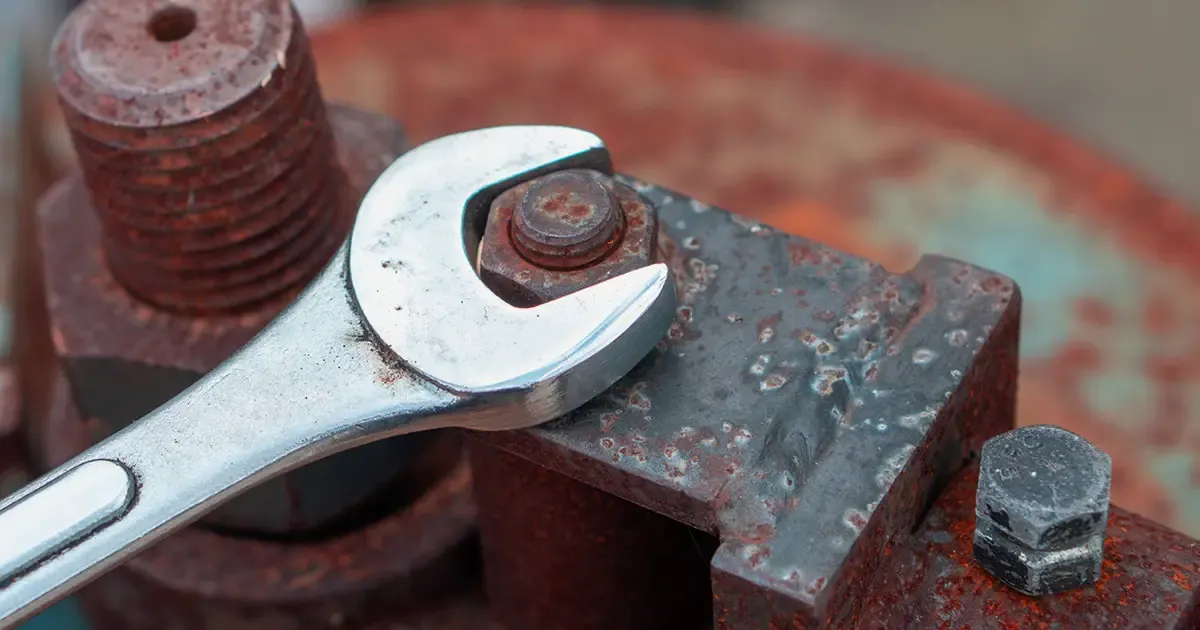
- ✦ Clean first
Remove loose dirt and rust so the penetrating oil can reach the joint more easily.
- ✦ Allow time
Do not expect every seized bolt to move right away. Heavy corrosion may need repeated applications.
- ✦ Use the product correctly
Follow the label instructions and keep spray away from areas where contamination could cause a problem.
When Penetrating Oil Is Not Enough
Some bolts are seized by severe corrosion, thread damage, or years of exposure. In these cases, oil alone may not provide enough help.
If the bolt head starts to round, stop using the same socket and switch to a method made for damaged fasteners. Protecting the bolt head early can save a much harder extraction later.
- ✦ Heavy rust
A badly corroded joint may need heat or a dedicated extraction method.
- ✦ Rounded head
Use a suitable extractor socket or another method designed for damaged fasteners.
Add Heat When Corrosion Is Holding the Bolt
Heat can help with some severely stuck bolts because metal expands as it gets hot. This can change the fit between the bolt and the surrounding part. Heat is not a first step, though, and it needs careful handling.
Before using heat, check what surrounds the bolt. Never use an open flame near gasoline, fuel vapors, brake cleaner, solvents, plastic parts, rubber parts, wiring, or other materials that can burn or melt. Follow the instructions for your heat source and the vehicle or equipment manufacturer.

- ✦ Check the area
Remove or protect flammable and heat-sensitive materials before using a heat source.
- ✦ Heat the correct area
The goal is controlled heating of the joint, not glowing or burning the metal.
- ✦ Let it cool when appropriate
After heating, allow the area to reach a safe temperature before touching it or applying products that are not rated for hot surfaces.
- ✦ Know when to stop
If the bolt is part of a critical assembly or the surrounding material cannot tolerate heat, use another method or seek professional service.
Why Heat Can Help
A seized fastener often has corrosion between the mating surfaces. Controlled heat can cause the surrounding metal to expand and may help break the bond.
Heat will not fix a rounded bolt head or damaged threads. If the fastener is already damaged, combine a suitable extraction method with careful inspection.
- ✦ Controlled expansion
Heat changes the size of metal parts slightly and can help disturb a corrosion bond.
- ✦ Use with care
Heat creates burn and fire hazards, so it should only be used when the work area is suitable.
Try a Hand Ratchet When the Bolt Is Not Extremely Tight
A standard ratchet can remove many bolts when they are tight but not seized. It is smaller than a breaker bar, so it works well when space is limited. Use it with a correctly sized socket and keep the tool square to the bolt.
If the ratchet cannot move the bolt, do not keep forcing it past its normal use. Switch to a breaker bar or another suitable method. This is especially important with old hardware because tool failure can cause injury.

- ✦ Use the right direction
Most standard threaded fasteners loosen when turned counterclockwise, but special fasteners can use reverse threads. Confirm the design before applying force.
- ✦ Keep the socket straight
A straight socket connection gives better grip and reduces the chance of damaging the bolt.
- ✦ Do not overload the ratchet
Use a breaker bar when you need substantial leverage instead of abusing a small ratchet.
How to Remove a Rounded Bolt Without an Impact Wrench
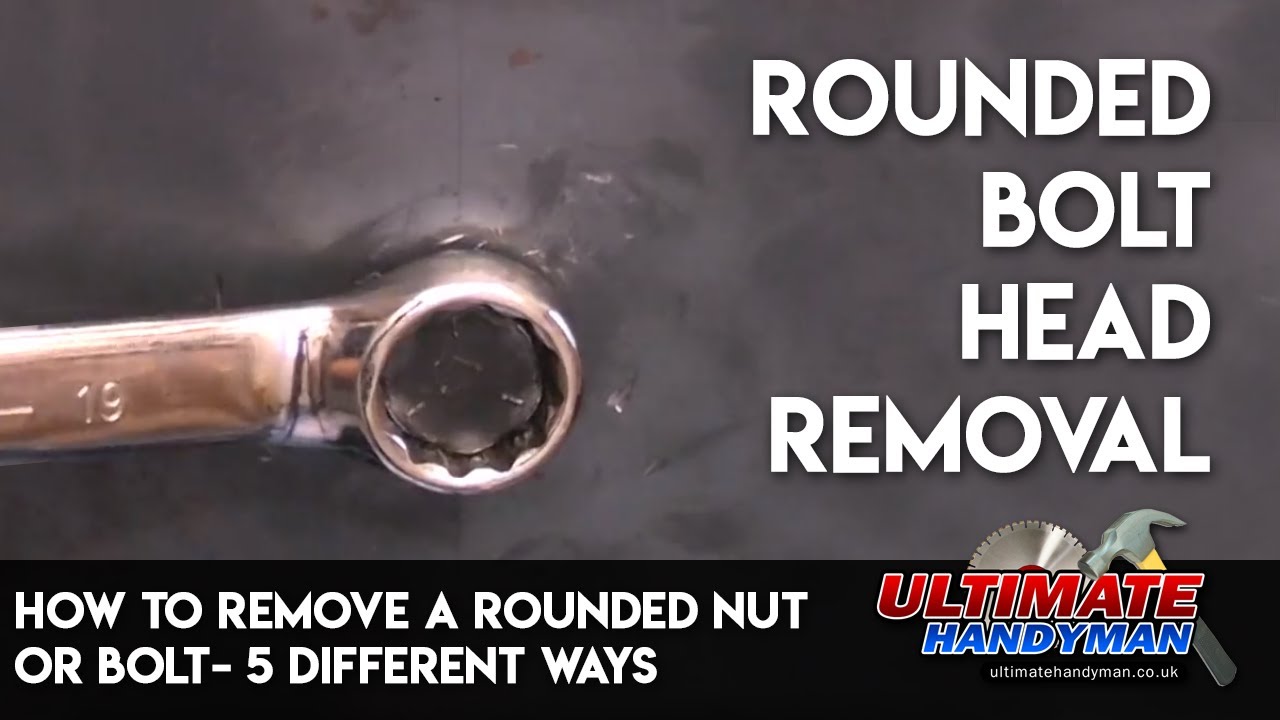
A rounded bolt needs a different approach. If the socket no longer grips the flats, continuing with the same socket can make the damage worse. This is where extractor sockets and other damaged-fastener tools can help.
When considering **how to remove bolt without impact wrench**, remember that an impact wrench is not required for an extractor socket. You can often drive the extractor onto the damaged head and turn it with a breaker bar or suitable ratchet.
- ✦ Stop with the normal socket
If the socket slips or spins on the bolt head, stop before rounding the fastener further.
- ✦ Try an extractor socket
A bolt extractor socket is designed to grip damaged fastener heads.
- ✦ Use controlled force
Keep the extractor straight and apply steady force with an appropriate hand tool.
- ✦ Plan for replacement
A badly damaged bolt may need replacement after removal, especially if its threads or head are compromised.
Do Not Keep Using a Slipping Socket
A slipping socket can quickly turn a manageable repair into a difficult extraction job. Stop as soon as you notice rounded edges or repeated slipping.
Clean the fastener and choose a tool that matches its condition. The right extraction tool can save time and prevent damage to the surrounding part.
- ✦ Inspect the head
Check the bolt after each attempt for fresh rounding, cracks, or other damage.
- ✦ Change methods early
A damaged-fastener tool is usually more useful than applying more force with the wrong socket.
Use a Breaker Bar for High-Leverage Bolt Removal
For many people asking **how to remove bolt without impact wrench**, a breaker bar is the best basic upgrade. Its long handle lets you create more torque than a typical ratchet. It is especially useful for large automotive fasteners.
Fit the correct socket onto the breaker bar and make sure the socket is fully seated. Apply smooth pressure rather than jerking the handle. If the fastener suddenly breaks loose, stay prepared for the tool to move.

- ✦ Choose a suitable size
Use a breaker bar and socket rated for the fastener and the force you expect to apply.
- ✦ Use a six-point socket
Six-point sockets generally give a strong grip on standard hex-head bolts.
- ✦ Keep your stance stable
Plant your feet and keep your body positioned so you can maintain control if the bolt releases.
- ✦ Inspect the tool
Do not use a cracked, bent, damaged, or otherwise unsafe tool.
Why a Longer Handle Helps
Torque is turning force. A longer handle lets you create more torque with the same amount of hand force. That is why a breaker bar can loosen a bolt that feels impossible with a short ratchet.
More leverage also means more risk if something fails. Use a tool made for the job and never use your body weight in a way that leaves you unable to control the tool.
- ✦ Longer handle
A longer handle increases leverage and can reduce the hand force needed.
- ✦ Controlled movement
Slow pressure helps you feel changes in the fastener and maintain control.
Special Cases: Automotive Bolts and Large Fasteners
Automotive work can involve very tight bolts. Suspension, steering, axle, crankshaft, and other large fasteners may have high tightening requirements. Some also have special procedures, thread treatments, locking devices, or replacement rules.
Before using force, check the service information for the vehicle. This matters more than simply knowing **how to remove bolt without impact wrench** because the correct removal method can depend on the exact fastener and assembly.

- ✦ Check the service manual
Look for special removal instructions, thread direction, locking systems, and safety requirements.
- ✦ Support the vehicle correctly
Use approved jack stands or a suitable lift. Never rely on a hydraulic jack alone to support a vehicle while you work underneath it.
- ✦ Watch for stored force
Suspension and spring-loaded parts can contain stored energy. Follow the vehicle maker’s repair procedure.
- ✦ Replace one-time-use hardware
Some vehicle fasteners are designed for one-time use. Replace them when the service instructions require it.
Large Bolts May Need More Than Hand Force
A very large or heavily seized bolt may exceed what a person can safely loosen with normal hand tools. Do not keep increasing force without considering the tool, fastener, and surrounding part.
If the bolt is part of a critical vehicle system and will not move with reasonable methods, professional service may be the safer option.
- ✦ Know the limit
Tools and fasteners have limits. More force is not always the right answer.
- ✦ Protect the assembly
Avoid damaging aluminum housings, studs, brackets, brake parts, or other nearby components.
Common Mistakes to Avoid When Removing a Bolt
Knowing **how to remove bolt without impact wrench** is only part of the job. Knowing what not to do is just as important. Many damaged fasteners start with a loose socket, a worn tool, or too much force too soon.
Work from simple methods toward stronger methods. This gives you a better chance of removing the bolt without damaging the hardware or the part.
- ✦ Using the wrong socket size
A loose socket can round the bolt head and make later removal much harder.
- ✦ Using a worn socket
Damaged socket edges may not grip the fastener properly.
- ✦ Jerking the tool
Sudden force can cause slips, broken tools, or loss of balance.
- ✦ Ignoring rust
Corrosion can add resistance and may require cleaning and penetrating oil before force is applied.
- ✦ Using heat near flammable materials
Heat can start fires or damage nearby components. Clear the work area before using any heat source.
- ✦ Using an impact socket incorrectly
Use sockets and tools according to their intended purpose and rating. Do not assume every socket is suitable for high-force work.
- ✦ Forcing a damaged bolt
Once the head starts to round, change methods rather than making the damage worse.
What to Do if the Bolt Breaks
Sometimes a bolt breaks even when you use the correct method. This can happen with old, corroded, weakened, or overtightened hardware. Stop and inspect the broken fastener before trying another removal method.
If part of the bolt sticks out, locking pliers may sometimes grip it. If the bolt is broken below the surface, extraction may require drilling, a screw extractor, or professional machining. Do not rush this stage because damage to the surrounding threads can make the repair much harder.
- ✦ Stop applying force
Do not keep turning the tool after the bolt snaps. Inspect the remaining piece first.
- ✦ Check access
A protruding broken bolt may allow the use of locking pliers or another gripping tool.
- ✦ Protect the threads
Work carefully when drilling or extracting so you do not damage the threaded hole.
- ✦ Consider professional repair
A broken bolt in a critical part may need specialized extraction or thread repair.
When to Stop and Get Help
Stop if the bolt is part of a safety-critical assembly, the surrounding material is cracking, or your extraction attempt could cause major damage. The cost of professional extraction may be far less than replacing a damaged component.
Professional help is also sensible when the bolt is deeply seized, broken below the surface, or located in a place where drilling could damage hidden parts.
- ✦ Critical components
Use extra caution with steering, braking, suspension, and other safety-related assemblies.
- ✦ Limited access
A difficult location can make controlled extraction unsafe with basic hand tools.